Psyllium Husk vs Pumpkin for Dogs: What to Try First
Psyllium husk and pumpkin both add fiber for dogs, but they act differently. A calm vet comparison of gentleness, dosing care, and when to call your vet.
For most dogs with mild stool changes, plain pumpkin is the gentler start, while psyllium husk is stronger and thirstier.

On this page
| Product | Score | Key details | Best for | Pros & cons |
|---|---|---|---|---|
| Boops Probiotic 30 Billion Boops Pets | 9.2/10 | air-dried soft chew; 30B CFU probiotic blend + 400 mg prebiotic fiber (pumpkin, inulin) | recurring soft stool routine |
|
| Plain Canned Pumpkin grocery staple | 8.4/10 | plain pumpkin puree, no spices or sweeteners; food-form soluble and insoluble fiber | gentle first fiber trial |
|
| Plain Psyllium Husk Powder generic | 7.6/10 | unflavored psyllium husk powder; must be mixed with water and given with free water access | concentrated soluble fiber |
|
Marilyn in Topeka noticed the change on a Tuesday walk. Amara, her 2-year-old spayed Miniature Schnauzer, passed soft stools twice in one block, then strained with nothing on the third try. A common question is whether to reach for canned pumpkin or for psyllium husk.
The distinction owners miss is stool pattern. Soft, poorly formed stool that still passes is often normal variation after a diet change, stress, or scavenging. Hard, infrequent stool with straining, or watery diarrhea, vomiting, blood, lethargy, or belly pain, crosses the threshold that warrants an examination.
Pumpkin is mostly food and modest fiber. Plain canned pumpkin provides soluble and insoluble fiber with high water content, which is why it tends to be forgiving. It can help normalize mild soft stool or mild constipation, but it rarely moves severe constipation on its own.
Psyllium husk is concentrated, gel-forming fiber. Once wet, it swells and holds water in the gut, which can bulk soft stool or soften hard stool. That strength is also the risk. Without enough water it can worsen constipation, and it can alter how other medications are absorbed.
Why pumpkin usually comes first
For a dog that is otherwise bright, eating, and drinking, pumpkin lets you test whether fiber helps without committing to a potent dose. Use plain canned pumpkin only, not pie filling, and start small for a day or two while you watch stool form, frequency, effort, and appetite.
Gut health is a whole-dog story: diet, stress, and routine all feed it — the supplement is one lever.
If stools firm up and the dog stays comfortable, you have your answer. If straining continues beyond 24 to 48 hours, if diarrhea lasts more than a day or two, or if you see repeated vomiting, blood, loss of appetite, or lethargy, stop adjusting fiber and book an exam. Guidance on constipation in dogs from the Merck Veterinary Manual makes the same point: persistent straining deserves assessment, not more home remedies.
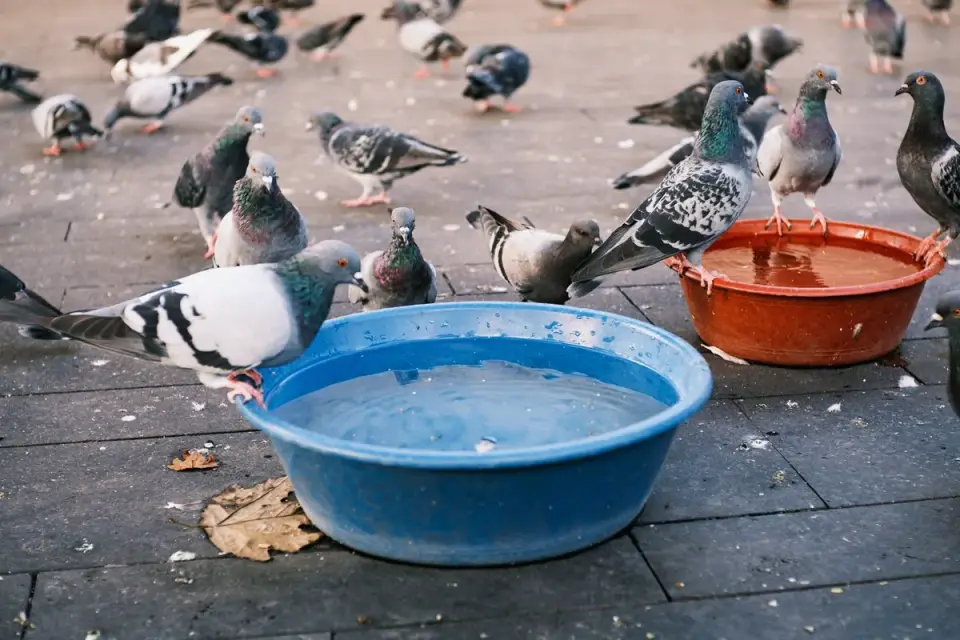
Water matters more than owners expect.
Where psyllium earns its place
Psyllium makes sense when plain food fiber has not steadied the pattern and your veterinarian agrees a stronger fiber trial is reasonable. It is useful for dogs that need more bulk per teaspoon, including some large dogs where enough pumpkin would mean too many extra calories.
The tempting shortcut is to add more powder when nothing changes in a day. That can miss the underlying question of whether water intake, medication timing, diet balance, or a medical cause is driving the pattern.
Practical care looks like this: mix the dose thoroughly with water or wet food, offer fresh water alongside, give it apart from other medications, and change only one variable at a time. Dogs with chronic kidney disease, heart disease on fluid limits, swallowing problems, suspected obstruction, or those taking thyroid, heart, or seizure medications need veterinary direction first. Background on acute diarrhea in dogs from VCA Hospitals is a useful reminder that new, severe, or bloody diarrhea is not a fiber trial.
Psyllium husk vs pumpkin at a glance
Pumpkin wins on gentleness, palatability, and ease of stopping. Most dogs accept a spoonful mixed into meals, and owners can see within a day or two whether stool edges firm up.
Psyllium wins on fiber density and adjustability. A small measured amount delivers more soluble fiber than several spoonfuls of pumpkin, which helps when calories or stool volume matter.
Pumpkin loses when the dog needs substantial fiber or dislikes the texture. Psyllium loses when water intake is low, dosing is imprecise, or an owner needs a simple first step.
That is why I land where I do: pumpkin first for mild, uncomplicated changes; psyllium second, with water and veterinary input, when a stronger fiber effect is the goal.
Why I favor a combined gut routine for repeat episodes
Taylor in Bellevue lives the other pattern. Maximus, a 9-year-old neutered Havanese mix, gets soft stools for three days after every boarding stay. Single-ingredient fiber steadies him, but the cycle returns.
For dogs with that sensitive-tummy cycle, a daily routine that pairs probiotics with prebiotic fiber is easier to sustain than repeated psyllium measuring. That is my own-brand preference here: Boops Probiotic 30 Billion, an air-dried soft chew with a 30 billion CFU probiotic blend plus 400 mg prebiotic fiber from pumpkin and inulin, plus postbiotic yeast complex and digestive enzymes.
This is everyday digestive comfort and gut-balance support — not a treatment for a diagnosed gut condition.
These statements have not been evaluated by the FDA. This product is not intended to diagnose, treat, cure, or prevent any disease.
Owners comparing labels often ask whether CFU counts mean the same across brands. They do not, and the difference between CFU Count at Manufacture vs. at Expiration for Dog Probiotics explains why label reading matters. The same caution applies to borrowing human fiber studies for dogs, which is why Dog Studies vs. Human Studies for Supplements: What Actually Transfers is worth a skim before you extrapolate.
A settled stomach is a happier dog — and a calmer household.
Frequently asked questions
Can I give psyllium husk and pumpkin together?
Do not stack them without veterinary direction. Pick one approach, keep water available, and watch stool form, straining, appetite, and energy for 24 to 48 hours.
How much water does a dog need with psyllium?
Psyllium must be given wet and followed by free access to water. If your dog drinks poorly, has a fluid restriction, or strains without passing stool, ask your vet before using it.
When should I stop home care and call the vet?
Call promptly for bloody stool, repeated vomiting, lethargy, belly pain, loss of appetite, straining with no stool, or diarrhea or constipation that does not improve within a day or two.
Sources
- Diarrhea in Dogs — VCA Hospitals