Why Some Dogs Actually Seem Happy to See the Vet
Dr. Michael Tokiwa explains what it really means when a dog greets clinic staff with obvious affection, and how low-stress handling helps build that trust.
When a dog leans into an exam room instead of pulling away from it, that's usually the result of deliberate handling choices, not luck.
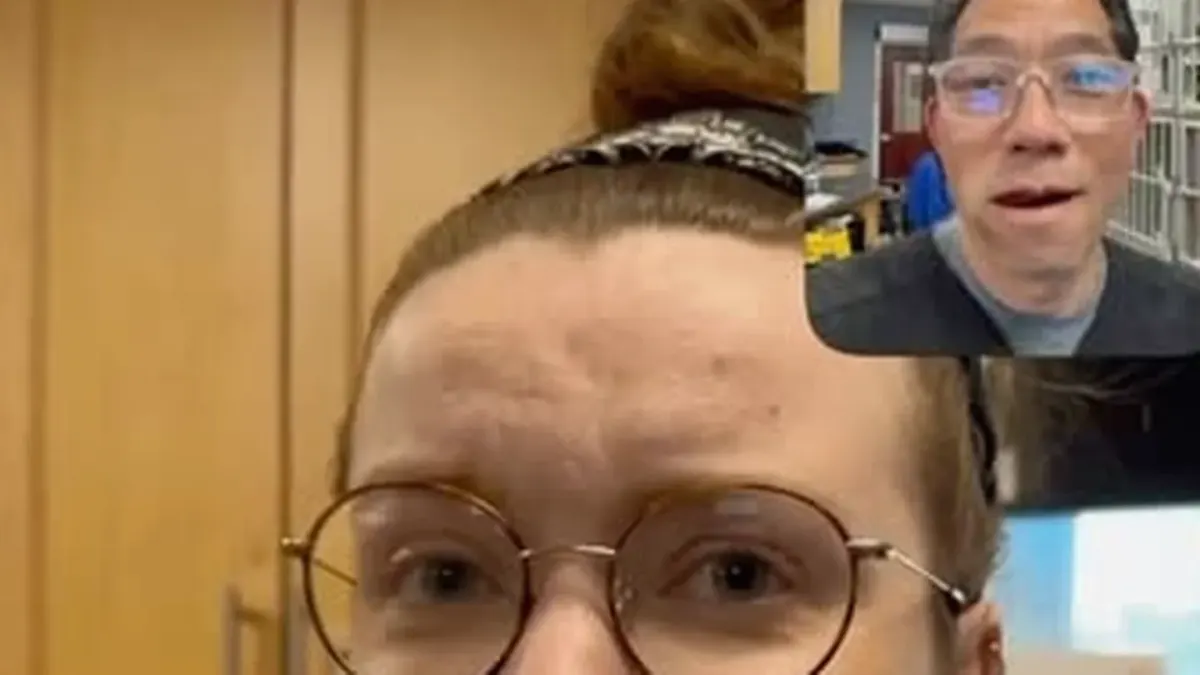
I joke on camera that “they love me, I swear” — and honestly, some of them do. Not every dog that walks into a clinic is bracing for the worst. Some genuinely wag, lean in, and act like the visit is the best part of their week. As a veterinarian, that reaction tells me something specific: this dog has learned the clinic isn’t a threat, and that’s a learned response, not a personality trait a dog is simply born with.
It’s worth separating two things owners often lump together — a dog tolerating a vet visit and a dog actually being comfortable with one. Tolerance can look calm on the surface: the dog sits still, doesn’t growl, lets you do the exam. But stillness under stress and relaxation are physiologically different states. A dog that’s frozen and a dog that’s genuinely at ease can look almost the same to an untrained eye, and that’s the distinction that changes how I read a room before I even touch a patient.
What builds a dog’s trust in a clinic setting
Handling technique matters more than most owners assume. A 2023 study on canine handling published in Animals measured serum cortisol — a stress hormone — across repeat veterinary visits and found a meaningfully greater drop in cortisol, visit over visit, in dogs examined with low-stress techniques compared to dogs receiving routine handling. That included things like letting the dog stay on the ground rather than lifting it onto a table, using a non-slip surface, offering treats throughout, and minimizing restraint. Across four visits, the dogs that got this kind of care showed both lower stress hormone levels and lower behavioral stress scores by the end of the study.
That matches what I see day to day. A dog that gets to choose its own pace into the room, that isn’t grabbed or pinned unless it’s actually necessary, and that has an owner nearby it trusts, tends to build a positive association with the clinic over time rather than a fearful one. It’s not that the dog forgets a vaccine or a nail trim was uncomfortable — it’s that the overall experience gets weighted differently in the dog’s memory when most of the visit felt safe.
When enthusiasm is a good sign — and when it isn’t the full picture
A dog greeting the team happily is a good sign of a positive relationship with that environment, but it isn’t a substitute for an actual physical exam. I’ve had dogs that were wagging and social walk in with something that needed attention regardless of their mood. Comfort with the visit and health status are two separate questions, and a happy dog still needs the same thorough exam a nervous one gets — sometimes it’s just easier to complete because the dog isn’t fighting the process.
If your dog dreads the car ride to the clinic, that’s worth mentioning to your vet team directly. Many practices can adjust how they handle a visit — exam location, pace, who’s present — and small changes compound over repeat visits, the same way they did in that cortisol study. It’s a slower fix than a single visit can produce, but it’s a real one.
For a different look at what happens on the other side of the exam room — including the parts of this job that don’t show up in a highlight reel — see What Vet School Does Not Teach You About the Emotional Swings of Veterinary Life.
Video transcript
Frequently asked questions
Does a dog wagging its tail at the vet mean it isn't stressed?
Not necessarily on its own. Tail wagging combined with loose body language and leaning toward staff is a good sign, but a thorough exam still checks for issues a dog's mood alone won't reveal.
What can I do if my dog is fearful at the vet?
Tell the clinic team directly — many can adjust handling, pacing, and exam location. Research on low-stress handling shows stress markers can drop meaningfully across repeat visits when techniques change.