Blanket Over the Crate: Can Dogs Still Breathe Easy?
Can a blanket over the crate still let dogs breathe? A vet explains airflow, heat, and when to remove the cover.
Dogs can breathe under a light crate blanket, but only when air keeps moving and heat can escape.
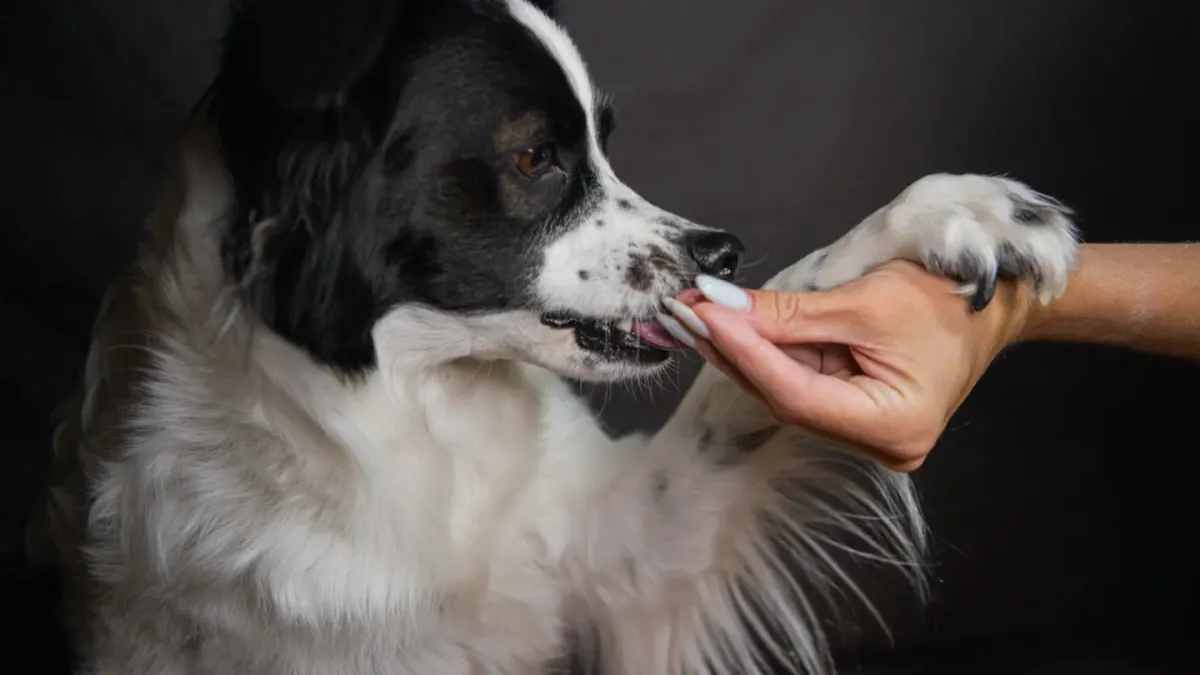
Dogs do breathe more slowly when a crate feels dark and quiet, which is why a light blanket tempts so many owners.
Use this checklist before you leave any cover on:
- Leave at least two sides partly open for cross-ventilation, never seal all four sides plus the top
- Choose a thin, breathable sheet over a heavy comforter or plastic-backed blanket
- Keep the crate out of direct sun and away from heat vents
- Watch breathing for 20 to 30 minutes first: quiet nose breathing is common variation, loud open-mouth panting is not
- Remove the cover if paws feel hot, panting rises, or the dog paws and whines to escape
- Give water access for longer rests and check brachycephalic breeds, puppies, and seniors more often
That short trial tells you more than any rule about den instinct.
Start with airflow, not coziness
A crate cover works by cutting visual stimulation, not by cutting air exchange. A woven cotton sheet draped over the top and one or two sides still lets room air move through the bars and the open door end.
The problem starts when the fabric becomes a seal. Heavy quilts, folded moving blankets, or towels tucked tight around every panel trap exhaled air and body heat inside a small box. The dog then rebreathes warmer air and must pant harder to cool down.
In practice, vets often see owners misread that panting as anxiety about confinement. Explaining why the tempting shortcut can miss the underlying question helps here: adding more cover to stop whining misses whether the dog needs more air, a cooler spot, or a different routine.

Keep it simple. Cover the top, leave the door end open, and leave a 3- to 4-inch gap along the bottom of one side.
Heat builds faster than owners expect
Dogs cool themselves mainly by panting and by losing heat from paw pads and belly skin. A covered crate in a warm room limits both paths, because still air holds heat around the body.
The American Veterinary Medical Association warns that enclosed spaces and poor ventilation raise heat risk, and advises shade, ventilation, and water during warm weather. That principle applies indoors too: a crate near a sunny window can warm several degrees in under an hour.
Albert in Oklahoma City learned this with Rummy, his 11-year-old spayed female Goldendoodle. She settled for about 40 minutes under a light sheet with the door end open, then began panting with her ears held back when Albert added a second quilt for a video call. Removing the second layer and moving the crate six feet from the window returned her breathing to quiet rest.
Normal variation is a dog sighing, circling once, then breathing quietly through the nose. The threshold that warrants an examination is repeated heavy panting at rest, drooling, bright red gums, vomiting, collapse, or breathing that stays fast after the cover comes off. Those signs fit heat-related illness described in the Merck Veterinary Manual, which lists excessive panting and distress as early warnings.
Do not wait to air out the crate when you see that shift.
When a cover helps, and when to skip it
A thin cover helps the dog that startles at foot traffic, barks at other pets passing, or wakes at every light change. For those dogs, less visual input lowers arousal and the crate becomes a place to rest.
It stops helping when the dog shows confinement distress: chewing bars, bending wires, drooling pools, urinating despite recent outings, or injuring nails and teeth trying to push out. More fabric will not fix panic.
Short daytime naps and bedtime in a cool, supervised house are reasonable times to test a cover. Skip it for unsupervised hours with a new rescue, a puppy under 16 weeks learning the crate, any dog with airway disease, and flat-faced breeds that already work harder to move air. For dogs that pace at night for other reasons, questions about routine and comfort overlap with topics like Doggy Dementia Supplements: What Actually Helps, and When a Supplement Isn’t the Answer, and daytime restlessness sometimes needs the same trigger-tracking described in Can You Split a Longevity Chew in Half for a Small Dog?
A calm crate is cool, dim, and easy to exit in an emergency.
If breathing stays quiet, the body stays cool, and the dog walks in willingly, the blanket is doing its job. If panting, heat, or panic rises, take it off and talk with your veterinarian about separation anxiety, airway problems, or a safer rest setup.
Frequently asked questions
Should any side of the crate stay uncovered?
Yes. Leave the door end open and at least part of another side open so air moves through. A cover should shade, not seal.
What fabric is safest for a crate cover?
A thin cotton sheet or purpose-made mesh crate cover allows more airflow than quilts, wool blankets, or plastic-backed fabrics.
When should I remove the blanket right away?
Remove it for heavy panting, hot skin, drooling, restlessness, pawing to escape, or red gums. Cool the area and call your veterinarian if breathing does not settle quickly.
Sources
- Warm-Weather Pet Safety — American Veterinary Medical Association