Vanilla and Dogs: Why Extract Deserves Caution
A vet explains when vanilla flavor is a small concern, why alcohol-based extract matters, and what to do after ice cream or baking mishaps.
Dogs can have tiny amounts of plain vanilla flavor, but skip alcohol-based extract and watch rich desserts.
On this page
Most owners miss this distinction: it is not the vanilla bean that worries veterinarians, it is the bottle it came in. A lick of cake or plain yogurt with vanilla flavoring is a different exposure than a teaspoon of pure vanilla extract, and vanilla ice cream raises still another set of questions.
In Roseville, California, Kurt keeps an eye on Rookie, his 6-year-old neutered Portuguese Water Dog mix, after batter drips hit the floor during baking. That moment captures the decision well — a small taste of finished food compared with concentrated flavoring straight from the bottle.
How vanilla extract differs from vanilla flavor
Pure vanilla extract sold in the United States is defined by regulation as containing alcohol, with the Electronic Code of Federal Regulations setting the standard at not less than 35 percent alcohol by volume. Imitation vanilla, vanilla flavoring, and foods baked with a measured teaspoon dispersed through a whole batch contain far less alcohol per bite.
That concentration explains the thesis of this article. The vanilla aromatic compounds themselves are present in small amounts in foods. The alcohol carrier in liquid extract is the more immediate reason to keep the bottle closed and stored away from dogs.
Alcohol-free vanilla flavoring, vanilla paste made with glycerin, and dry vanilla powder still deserve portion control, but they remove the alcohol variable. Check the label for “extract with alcohol,” “pure vanilla extract,” xylitol or birch sugar, chocolate, coffee, macadamia nuts, and high cocoa content.
Why alcohol matters more than vanilla itself
Ethanol can depress the central nervous system and lead to signs such as wobbliness, lethargy, slowed breathing, vomiting, and collapse.
A single teaspoon of 35 percent extract is a meaningful alcohol dose for a small dog and an unnecessary risk for any dog. Do not try to induce vomiting at home unless a veterinarian or poison control center directs it. Note the product name, estimated amount, time of exposure, and your dog’s weight, then call your veterinarian or poison control.
Baked goods change the math but do not erase it. Heat drives off some alcohol during baking, though not always all of it, and the remaining concern shifts to sugar, butter, chocolate chips, raisins, xylitol-sweetened frosting, and the total fat load.
What about vanilla ice cream and yogurt
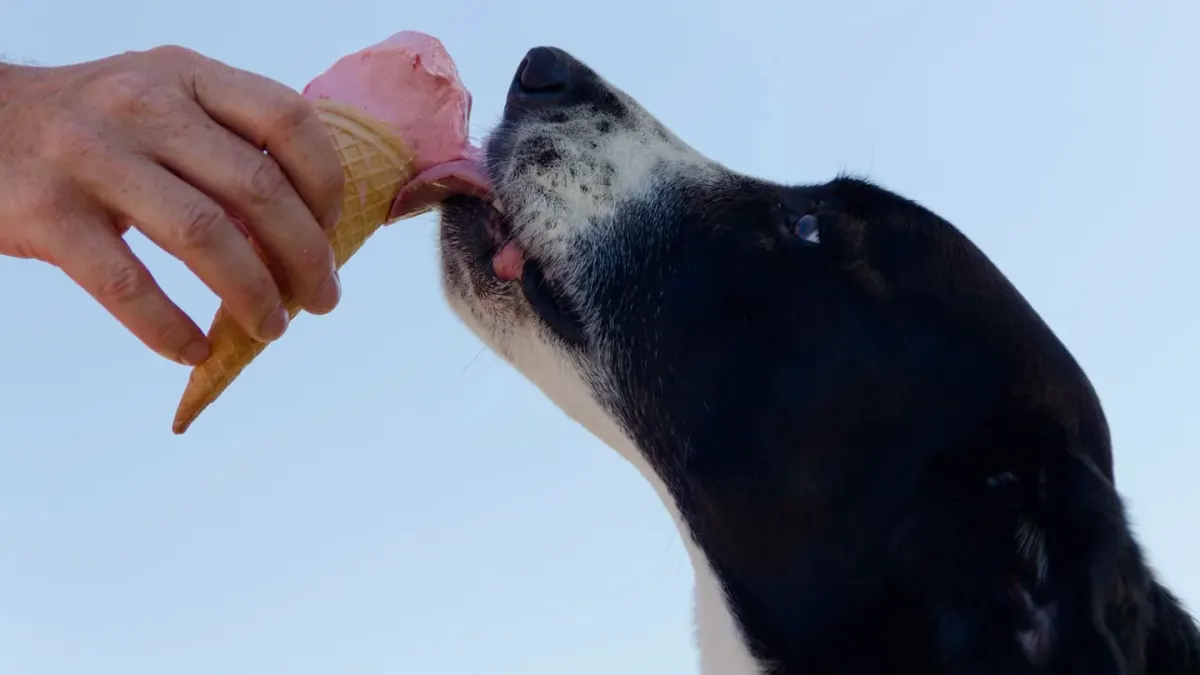
Plain vanilla ice cream contains only a small amount of vanilla flavor per serving. The common problems I explain to owners are lactose and richness, plus add-ins. Many adult dogs digest milk sugar poorly, so a few spoonfuls can bring gas, soft stool, or vomiting within 12 hours. A large bowl can also contribute to pancreatitis risk in susceptible dogs because of fat and sugar.
That is why vanilla with chocolate stracciatella, cookie dough, caramel with xylitol, coffee flavor, or rum-raisin needs a different response than a plain lick.
For a treat that still feels festive, offer a small spoon of plain low-fat yogurt or frozen banana blended with water, then return to balanced dog food. Owners managing weight, diabetes, chronic gastrointestinal disease, or pancreatitis history should ask their own veterinarian before sharing desserts at all, much as they would when weighing other supplement or diet questions such as whether Doggy Dementia Supplements: What Actually Helps, and When a Supplement Isn’t the Answer fit, how Dog Studies vs. Human Studies for Supplements: What Actually Transfers applies, or when CFU Count at Manufacture vs. at Expiration for Dog Probiotics changes a choice.
When a lick is variation and when to call
A single lick of plain vanilla cake, yogurt, or ice cream in a healthy adult dog often produces no signs or brief soft stool. Monitor appetite, energy, vomiting, diarrhea, abdominal discomfort, and stool for 24 hours.
Seek an examination promptly for concentrated extract ingestion, any product with xylitol, chocolate, coffee, grapes or raisins, repeated vomiting, lethargy or stumbling, rapid or labored breathing, abdominal pain, bloody stool, or a large fatty meal in a small or at-risk dog. Bring the label or a photo of the ingredient list.
The calm next step is simple: keep extract bottles secured, treat vanilla-flavored foods as an occasional taste rather than a serving, and save ice cream outings for a controlled spoonful without risky mix-ins.
Frequently asked questions
Can dogs have vanilla extract?
Keep pure vanilla extract away from dogs. Its alcohol content is the main concern, and even small bottle amounts warrant a call to your veterinarian or poison control.
Can dogs have vanilla ice cream?
A small lick of plain vanilla ice cream is unlikely to cause harm in a healthy adult dog, but lactose, sugar, and fat can cause vomiting or diarrhea. Avoid flavors with chocolate, xylitol, coffee, nuts, or raisins.
What should I do if my dog drank vanilla extract?
Note the product, amount, time, and your dog's weight, then call your veterinarian or poison control right away. Do not induce vomiting unless directed.
Sources
- Vanilla Extract Standard, Section 169.175 — Electronic Code of Federal Regulations