No: Keep Your Dog's Cone On to Sleep Safely
Night is the highest-risk time to remove the cone. Learn what is normal adjustment, what needs an exam, and safer sleep setups.
Night is when an unsupervised tongue can reopen an incision in minutes, so sleep is the last time to loosen protection.
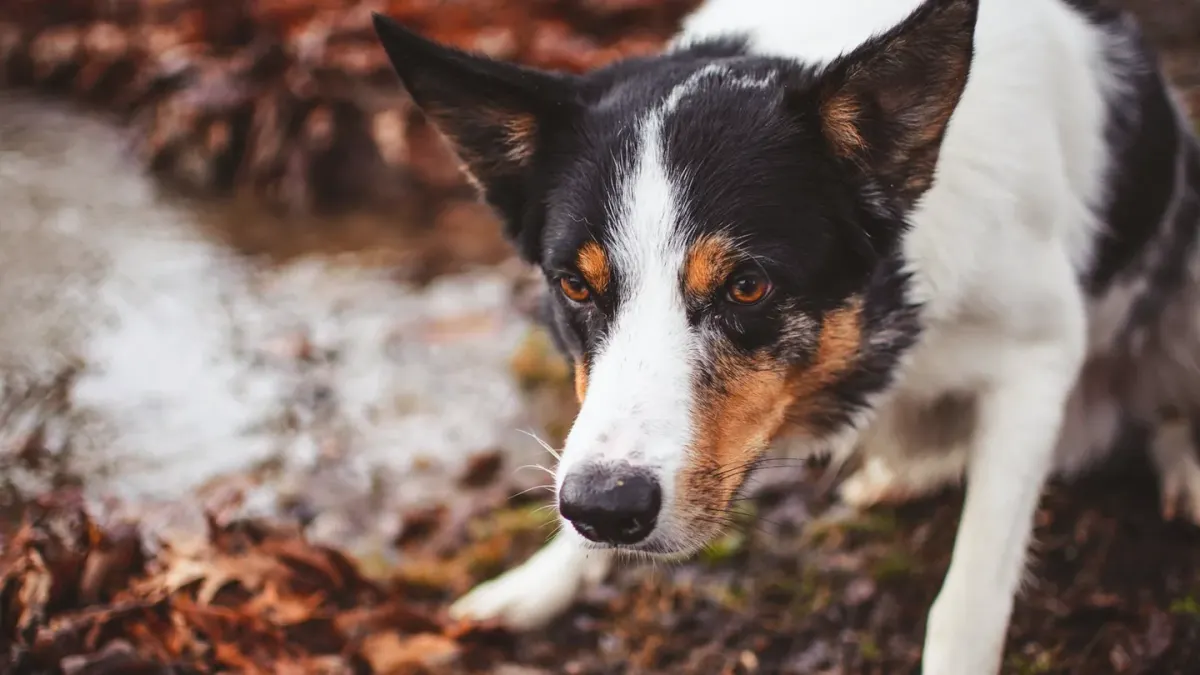
Most owners ask about removing the cone at bedtime because the dog paws at it, freezes by the crate door, or scrapes the bedroom wall. That distress looks like a reason to help, but sleep changes the equation in the other direction: you lose the ability to interrupt licking, chewing, or rubbing.
The decision fork is simple. Comfort now, with no one awake to watch, or continuous protection until a veterinarian confirms the site is closed. I recommend continuous protection, including overnight, unless your own veterinarian gives you a specific, supervised alternative.
Tonya in Chicago faced that fork with Chiko, a 2-year-old neutered male American Staffordshire Terrier mix. On night three after surgery he whined when the plastic touched his crate and then lay down with a sigh. Tonya weighed taking it off so he could settle, then putting it back at 6 a.m. before work. The hard number that settled it was ten to fourteen days of healing against one restless night; a few minutes of chewing at 2 a.m. can undo a week of quiet recovery.

Why night carries more risk than daytime
Licking is self-reinforcing. Saliva moistens tissue, the tongue adds friction and bacteria, and a warm incision becomes more interesting to the dog, not less. During the day you can redirect, leash-walk past the urge, or notice swelling early. At night none of that happens.
That is the mechanism owners miss most often. Dogs do not lick only because of pain; they lick because the site feels different, itches as it heals, or gives them something to do when the house goes quiet. VCA Hospitals describes the Elizabethan collar as a barrier to keep a dog from reaching a wound or surgical site during healing, and advises following veterinary directions on when it can come off.
In practice, vets often see the damage the next morning: a pulled suture, a moist red line, or a swollen ear flap after a head shake against bedding. Dogs that seemed sleepy at lights-out did the work while half-awake.
What is common adjustment and what needs an exam
Separate normal variation from the threshold that warrants an examination.
Common adjustment in the first one to three nights includes bumping doorways, sleeping with the chin propped on the rim, eating more slowly, and hesitating at stairs. Many dogs also drink less at night because the cone changes the angle to the bowl. Offering a raised, wide bowl and holding it steady often solves it.
Call for an exam promptly for spreading redness, heat, swelling that grows after day two, yellow-green discharge, foul odor, an opened edge, bleeding that does not stop with gentle pressure, a leg that becomes cold or swollen below a bandage, refusal to drink through the next morning, labored breathing, or pain that worsens instead of easing. Those signs point past discomfort to infection, dehiscence, or a collar fit problem.
Fit matters as much as willpower. You should be able to slip two fingers under the neckband without twisting, and the nose should not extend past the rim when the dog reaches toward the belly or paw. If the dog can fold the cone and reach, the size or attachment needs correction, not removal.
How to make sleep work with protection on
Do not trade the cone for trust. Trade it for a better setup.
Move the crate up one size if the rim catches, or switch to a small, cone-proofed room with a low bed for a few nights. Remove coffee tables and laundry baskets that trap the rim. Keep the room cool and dim, keep water within reach, and take a short leashed potty break late in the evening so restlessness is less likely to be a full bladder. Senior dogs that already sleep in fragments may pace more with a cone; context on changed rest helps, such as this discussion of why an old dog sleeps through mealtimes now.
The tempting shortcut is sedation by supplement.
Do not add a calming chew, antihistamine, or herbal blend at night to force sleep without veterinary direction. The same caution that applies when owners ask about combining quercetin with an antihistamine applies here: layered products can mask the signs you need to see and interact with prescribed pain control.
A recovery suit, inflatable collar, or neck pillow can help only if your veterinarian confirms it actually blocks access to your dog’s exact site. A belly incision, paw, tail tip, and ear each fail with a different device.
Keep it on through the night.
What would change my mind is direct evidence tied to this dog: the surgeon examines the incision, confirms primary closure, and documents that barrier protection can stop. Published healing timelines do not do that work for an individual wound. Until that exam happens, the current evidence on contamination and self-trauma does not support unsupervised removal.
Frequently asked questions
Can my dog sleep without the cone if I watch on camera?
No. A camera lets you see damage, not stop it. Licking can injure tissue in minutes, and most dogs reach the site long before an owner can get to them.
What if my dog cannot drink with the cone on at night?
Raise a wide bowl, hold it steady, or offer water by hand before bed and again in the morning. If intake drops through the next day, or the collar fit prevents drinking, ask your veterinary team for a fit check rather than removing it overnight.
Is a recovery suit safer for sleep than a hard cone?
Only if your veterinarian confirms it blocks your dog's specific site. Many dogs lick through fabric or shift an inflatable collar, so do not substitute devices without a fit and site check.
Sources
- Elizabethan Collars in Dogs — VCA Hospitals