Do Dogs Feel Relief When Glands Are Expressed? Vets Say
Learn when anal gland expression relieves pressure, when to skip routine expression, and which scooting signs need a vet exam.
Dogs with painfully full glands often feel relief after expression, but healthy dogs don't need routine squeezing.
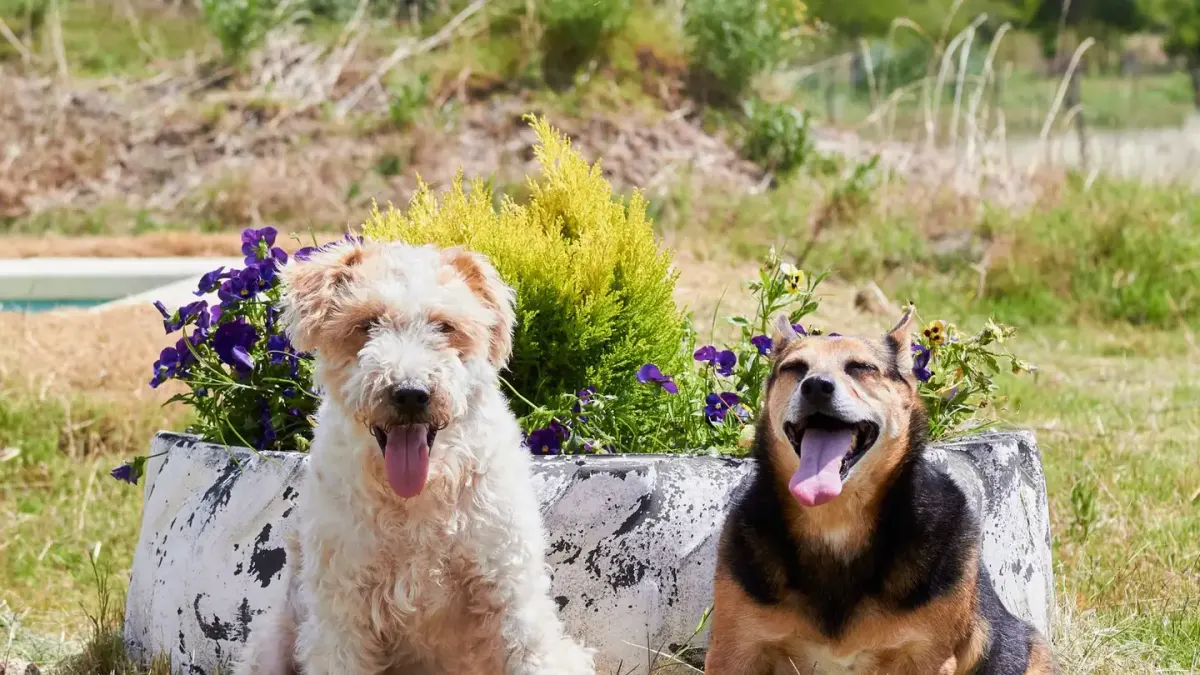
Watch what changes after a walk, not during grooming. If scooting, licking under the tail, or a fishy odor eases once full anal sacs are emptied, pressure was likely the problem. If none of those signs were present beforehand, routine squeezing adds handling without benefit.
Anal sacs are small paired pouches just inside the anus that normally empty during defecation. Firm stool presses on them, and the thin, strong-smelling fluid marks stool. Soft stool, loose conformation, inflammation, or thickened secretions can leave material behind, and retained fluid stretches the sac wall.
That stretch explains the mixed answer owners hear. A dog with distended sacs may scoot less, lick less, or sit more comfortably after careful emptying. A dog whose sacs empty on their own gets no extra comfort from the procedure, and repeated pressure can leave the area sore.
Decide first: full and uncomfortable, or normal and comfortable?
Check for a pattern over several days. Scooting after bowel movements, sudden turning to lick the rear, swelling beside the anus, crying to defecate, or a persistent fishy smell point toward full or irritated sacs. One swipe across grass after a walk, without repetition, falls within ordinary variation.
Henry in Glendale, Arizona, noticed his 5-year-old intact female Pug, Shyla, scooting after evening walks for 10 days and licking for several minutes afterward. That repetition changed the choice from a standing grooming add-on to a focused question: are the sacs full, infected, or is something else driving the itch?
Do not press on painful, hot, swollen tissue at home. Bleeding, green-yellow discharge, a draining sore near the anus, fever, loss of appetite, or inability to pass stool needs an examination promptly rather than another expression attempt.
What expression does, and what it cannot fix
External or internal expression simply opens the duct and lets retained fluid leave. Relief comes from lower pressure inside the sac.
It does not treat infection, abscess, allergy, parasites, diarrhea, or a mass. That is why the tempting shortcut can miss the underlying question. Repeated expression on a schedule, without checking whether the sacs refill or whether the skin, stool, and diet point elsewhere, keeps attention on emptying instead of cause.
Both the Merck Veterinary Manual and VCA Hospitals describe the progression owners should know: impaction can lead to sacculitis and abscess when retained material becomes infected. Their accounts also list the signs that separate routine fullness from disease — swelling, pain, discolored discharge, and tissue around the anus that looks red or broken.
Fiber, consistent exercise, healthy weight, and firm-formed stool help many dogs empty naturally. For related gut-health context, see CFU Count at Manufacture vs. at Expiration for Dog Probiotics: /articles/cfu-count-at-manufacture-versus-at-expiration-for-dog-probiotics/ and Dog Studies vs. Human Studies for Supplements: What Actually Transfers: /articles/clinical-study-on-dogs-versus-clinical-study-on-humans-for-supplements/ — but treat supplements as support for stool quality, not as a way to force glands to drain.
Ask for an exam when scooting lasts more than a few days, returns right after expression, involves pain or swelling, or pairs with soft stool, worms, skin itch, or straining. Bring a timeline, diet changes, stool consistency, and how often the odor or licking occurs.
So should this become routine? For a dog with no signs and sacs that empty on their own, skip it. For a dog with documented recurring fullness, use exams to set the interval — and revisit diet, stool, allergies, and anatomy if the interval keeps shortening.
What would change your dog’s plan at the next visit?
For related context, read Anti-Aging Pills for Dogs: What the Evidence Actually Supports.
For related context, read Can Dogs Take Quercetin With an Antihistamine?.
Sources
- Anal Sac Disease in Dogs — VCA Hospitals