Usually: Do Dogs Like Apples Served Plain and Sliced
Most dogs enjoy plain apple slices. Learn safe portions, seed and core risks, and when appetite changes need a vet visit.
Most dogs like apples for the crunch and sweetness, so serve small peeled slices without core or seeds.
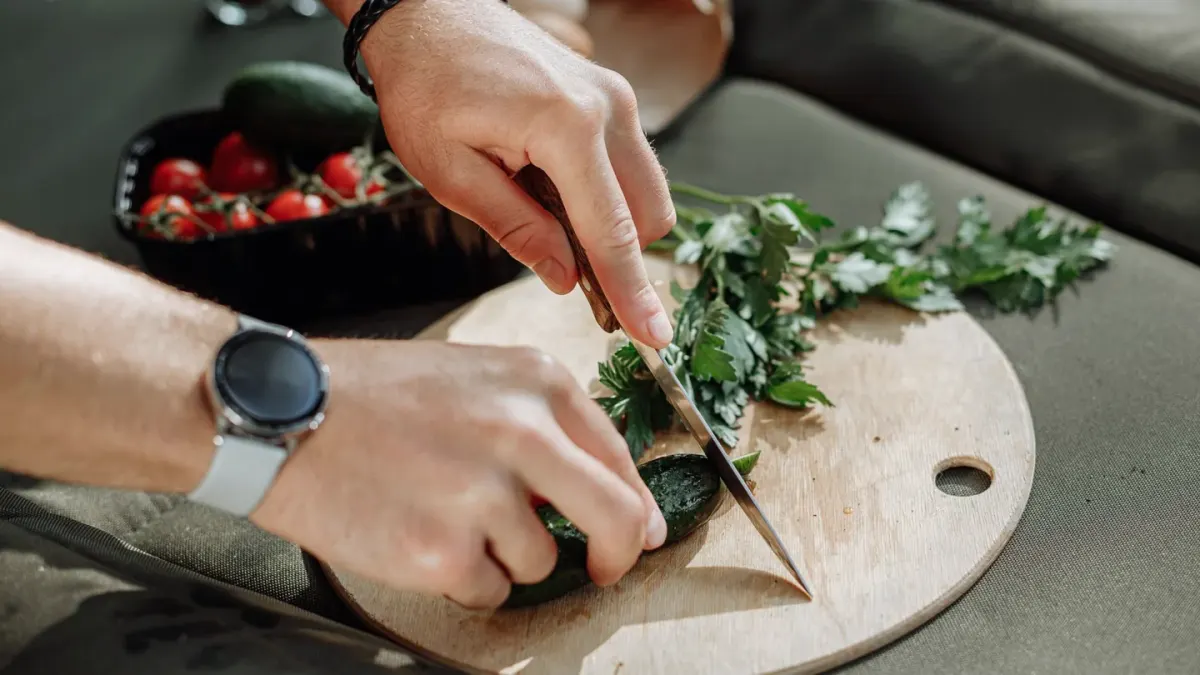
Decide first: offer apple as a small treat, or skip fruit and feed the regular meal. That choice keeps portions controlled and keeps the question clear — does your dog enjoy apple, and does it agree with them.
Start with one thin slice of plain, washed apple, peeled if your dog tends to gulp skin. Remove stem, core, and all seeds. Offer it by hand and watch. Crunching and asking for more suggests interest. Sniffing and walking away is also normal variation.
Tamara in Stockton considered this with Kiara, her 7-year-old spayed female Bull Terrier. Kiara took two 1-inch slices, chewed well, and had normal stool the next morning. Tamara weighed whether to make apple a daily habit or keep it to twice a week. She chose two small sessions per week, with water available.

How to serve apple so it stays a treat
Keep the amount small. Cut slices bite-size for your dog’s mouth. For most medium and large dogs, one to three thin slices is enough. For small dogs, stop at one small slice.
Follow these steps in order.
Wash the apple. Cut away core, seeds, and stem. Slice thin. Remove peel for gulpers or seniors with worn teeth. Serve plain, with no sugar, caramel, peanut butter with xylitol, or baked goods. Put the rest away before your dog begs.
The tempting shortcut is to toss a whole apple or leftover core. That misses the underlying question.
Cores and seeds concentrate the parts you want to avoid, and large chunks raise choking or blockage risk. Seeds also contain amygdalin, which can release cyanide when chewed in quantity, a concern flagged in people-food safety lists from the ASPCA Animal Poison Control Center and feeding guidance from the U.S. Food and Drug Administration. One swallowed seed rarely causes poisoning, but routine exposure is not worth it.
Skip apple cider vinegar drinks, hard cider, and apple desserts. They do not test the same question as plain fruit.
When appetite or stool changes the question
Liking apple is separate from tolerating it. Mild gas or one soft stool after a first taste often settles when you reduce the portion.
Book an examination instead if you see repeated vomiting, diarrhea lasting more than a day, belly pain, straining, blood in stool, coughing or gagging after eating, or refusal of regular food. Bring a list of what was eaten, how much, and when signs started.
Diabetes, kidney disease, food allergy, and weight-management plans change the math. Ask your own veterinarian what treat portion fits your dog’s diet, and how apple compares with lower-sugar options discussed in pieces like Doggy Dementia Supplements: What Actually Helps, and When a Supplement Isn’t the Answer and Dog Studies vs. Human Studies for Supplements: What Actually Transfers.
Plain apple works for many dogs. Small, seedless, and occasional keeps it that way.
Frequently asked questions
Do dogs like apples?
Many do, for the sweet crunch and moisture. Offer one thin, seedless slice and let interest guide you. A refusal is normal.
Can dogs eat apple seeds or core?
No. Remove core, seeds, and stem every time. Cut flesh into thin, bite-size slices and serve plain.
Sources
- People Foods to Avoid Feeding Your Pets — ASPCA Animal Poison Control Center