Sick Dogs Sleeping With Eyes Open Means Little Alone
Why dogs rest with eyes partly open, what actually signals illness, and when to call your vet.
Sick dogs can sleep with eyes open, but appetite, energy and breathing reveal illness far better.
On this page
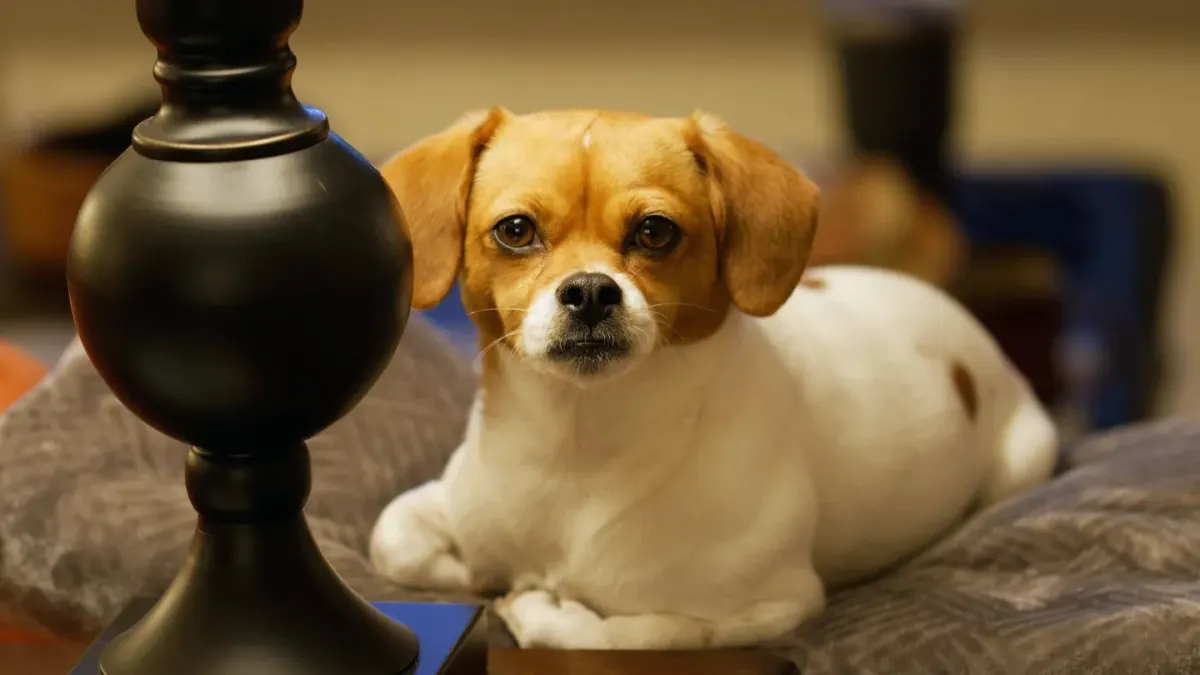
Beverly noticed it around 9 p.m. Kenobi, her 6-year-old neutered male Great Pyrenees, was stretched on the living room rug after a 20-minute evening walk, eyes half-open and glassy, third eyelids drifting across. He looked asleep, but not quite, and she wondered if illness keeps sick dogs from closing their eyes.
The distinction owners most often miss is this: partly open eyes during rest usually reflect how dogs sleep, not how sick they are. Dogs cycle between light sleep, deep sleep, and rapid-eye-movement sleep, and during lighter stages the eyelids can stay slack while the pale pink nictitating membrane slides partway up. That membrane protects and moistens the eye.
According to the American Kennel Club, sleeping with eyes partly open can be normal for many dogs, especially during twitching, paddling, or vocalizing in dream sleep. Brachycephalic breeds, older dogs with looser eyelids, and deep-chested large dogs that crash hard after exercise may show it more often.
What An Evening Nap Can And Cannot Tell You
Why the eyes stay open during light rest
Eyelid closure needs muscle tone. When a dog drifts off but has not settled into deep sleep, tone drops unevenly. One eye may close fully while the other stays in a slit. A quick blink response, slow breathing, and a loose body point toward rest rather than distress.
Why sickness rarely shows up there first
Illness tends to change function before it changes eyelid position. A dog fighting nausea, pain, fever, or infection usually eats less, moves less, drinks differently, breathes differently, or withdraws from routine. Eyes-open resting alone, without any of those shifts, answers the wrong question.
It is tempting to use one visible shortcut — eyes open equals sick, eyes closed equals fine. That shortcut misses the underlying question, which is whether the whole pattern of appetite, energy, comfort, and breathing has shifted from that dog’s baseline.

Track The Morning Pattern Instead Of One Night
If Kenobi wakes for his normal outing, eats his usual breakfast within an hour, and trots his usual block without lagging, one night of half-open eyes means little. If he skips two meals in a row, needs coaxing up the two porch steps, pants at rest for more than a few minutes, or hides for hours, that pattern matters.
Vets often see owners track sleep position closely while appetite and water intake go unmeasured. A simple overnight check works better: note dinner eaten, water refills, nighttime bathroom trips, morning energy, and breathing rate at rest. A resting rate persistently above about 30 to 40 breaths per minute in a calm adult dog deserves a call.
That same focus on meals applies as dogs age. Skipping food to keep sleeping can reflect dental pain, nausea, or cognitive change rather than restful sleep, a pattern discussed in Why an Old Dog Sleeps Through Mealtimes Now.
When Partly Open Eyes Do Warrant Attention
Local eye signs that change the decision
Seek an examination promptly for squinting while awake, thick yellow-green discharge, a swollen or stuck third eyelid, a cloudy spot that was not there yesterday, pawing at one eye, or a pupil that looks markedly different between sides. Those are eye problems, not sleep style.
Whole-body signs that outweigh sleep posture
The Merck Veterinary Manual lists reduced appetite, lethargy, vomiting, diarrhea, coughing, labored breathing, and behavior change among the general reasons to contact a veterinarian. One or more of those signs plus restless or unusually flat sleep is more informative than eyelid position alone.
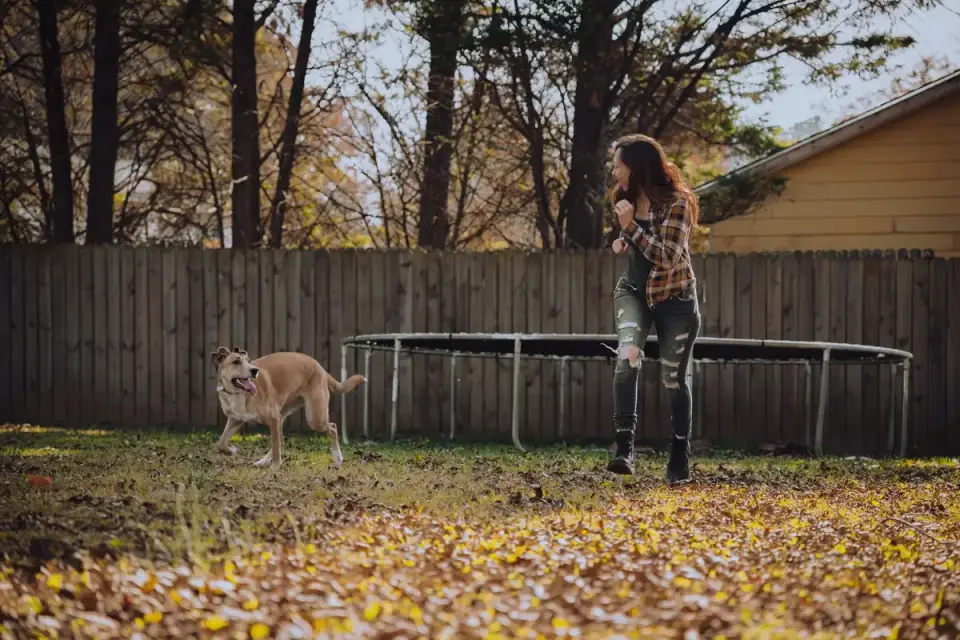
In practice, the threshold is combination and persistence. A single skipped treat after a long play day is common variation. Refusing dinner plus breakfast, sleeping through a walk that usually brings him to the door, or breathing fast while lying still crosses into reason for assessment.
How To Check Without Waking Him Fully
A quiet two-minute check
Stand a few feet away and watch the rise and fall of the ribs for 30 seconds, then double the count. Look for relaxed lips, soft ears, and occasional twitches. Say his name once in a normal tone. A resting dog will usually flick an ear, sigh, or resettle. No response, stiff posture, whining, or panting with lips pulled back points away from normal rest.
What to write down for your vet
Record what changed, when it started, and how far function dropped: meals missed, distance shortened on walks, stairs refused, water drunk, vomiting or stool changes, coughing, and any medication or new chew given in the past 48 hours. Photos of discharge or swelling in daylight help more than a description of sleep posture.
Owners often ask about supplements marketed for aging or sleep when rest looks odd. Human findings do not transfer directly to dogs, which is why canine data matter, as explained in Dog Studies vs. Human Studies for Supplements: What Actually Transfers.
The steady rule stays simple.
Eyes partly open during sleep is common variation. A change in appetite, energy, breathing, or comfort that lasts into the next day is reason to seek an examination.
Frequently asked questions
Do sick dogs sleep with their eyes open more than healthy dogs?
Not reliably. Many healthy dogs rest with eyes partly open during light or dream sleep. Changes in appetite, energy, breathing, vomiting, diarrhea, or pain signs are far better indicators of illness.
Should I wake my dog if his eyes are half-open and he is twitching?
Usually no. Twitching, soft paddling, and quiet vocalizing often occur in normal sleep. Wake gently only if breathing looks labored, he seems stuck in distress, or you need to check responsiveness.
When should eyes-open sleeping prompt a vet visit?
Call your vet if it comes with squinting awake, discharge, swelling, cloudiness, pawing at the eye, skipped meals, lethargy, panting at rest, coughing, vomiting, or any sudden behavior change.
Sources
- Dog Owners Guide — Merck Veterinary Manual