5 Steps for Dog Depression Treatment That Starts With Health
Dog depression treatment starts with ruling out pain and illness. Learn the signs, routine reset, and when to seek veterinary care.
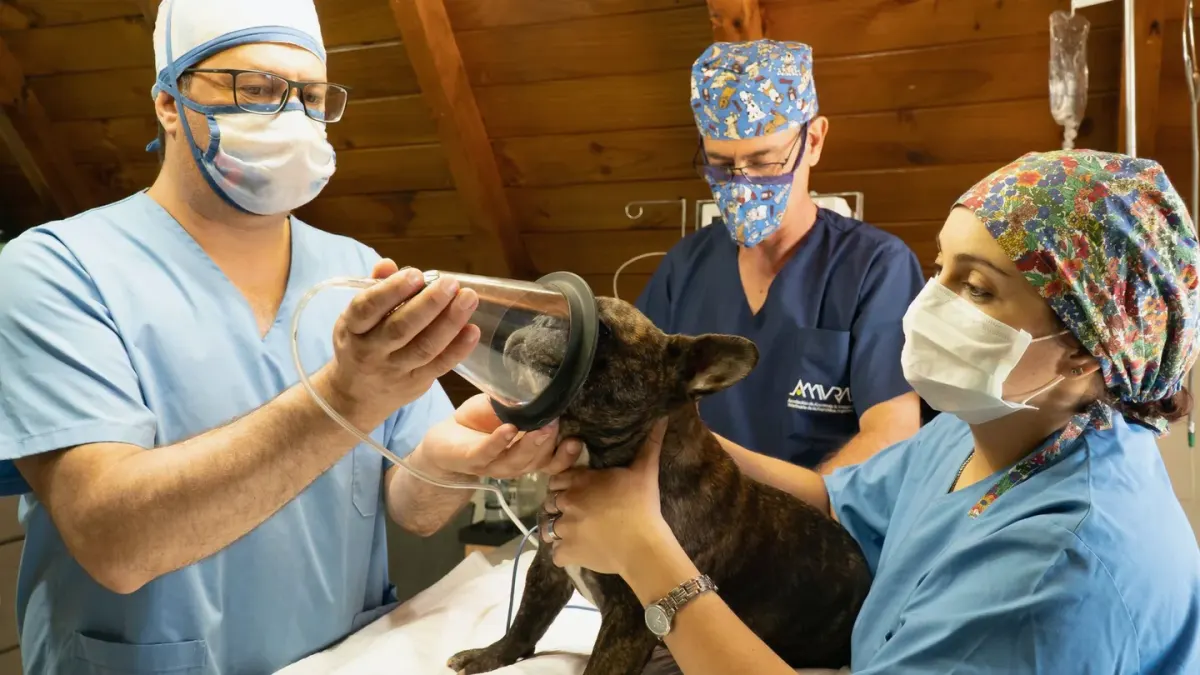
Dog depression treatment should start with a veterinary exam, then restore routine before considering behavior support.
On this page
A dog that greets you less, eats slowly, and naps through playtime looks sad, yet withdrawal is often how pain, nausea, or disrupted routine first appears. That distinction changes the plan. Mood language describes what owners observe; it does not diagnose cause. Effective dog depression treatment therefore starts with health, then moves to routine and behavior.
Kelli in Pembroke Pines noticed it in Esther, her 9-year-old spayed Miniature Dachshund. Esther stopped following Kelli to the kitchen and slept under a chair instead of on her bed. Appetite was present but slow. There was no dramatic event, only a quieter dog. That pattern — gradual disengagement without an obvious trigger — is exactly when a medical check should come first.
1. Rule out illness and pain before treating mood
Lethargy, appetite change, increased sleep, and reduced play overlap with orthopedic pain, dental disease, gastrointestinal upset, hypothyroidism, urinary infection, and early cognitive change. Senior dogs can shift subtly.
Schedule an examination if flat behavior lasts more than 24-48 hours, if appetite drops, or if there is limping, panting, vomiting, diarrhea, coughing, increased thirst, incontinence, or nighttime restlessness. Bring a short log: when the change began, eating and drinking, sleep, walks, stool and urine, medications, and any household change.
That combined assessment prevents a behavior-only plan from missing arthritis, mouth pain, or systemic illness.
2. Audit routine, loss, and stimulation
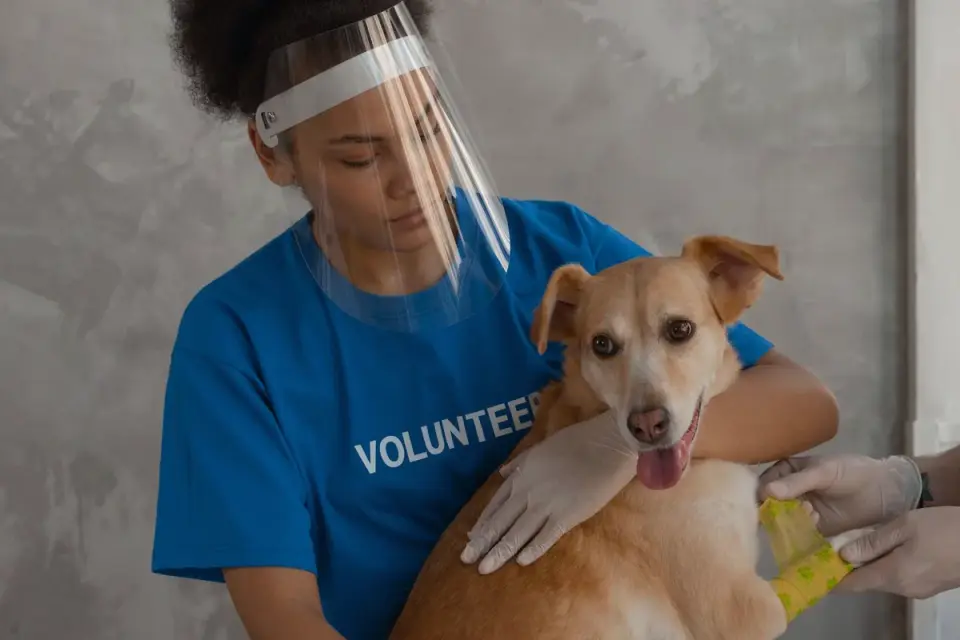
Dogs track routine closely. A move, new work schedule, houseguest, lost companion, reduced walks, or long alone hours can reduce engagement. The phrase owners use — the suitcase comes out and pacing begins — captures how sensitive dogs are to departure cues.
For one to two weeks, reset the basics:
- Keep feeding, walks, and bedtime at consistent times.
- Restore sniff walks and short play rather than adding long, exhausting outings.
- Offer choice: a quiet resting place, daylight, and gentle social time without forcing interaction.
- Separate alone-time behavior from together-time behavior. Isolation distress looks different from general low energy, as outlined by AVMA.
If appetite and play return when routine stabilizes, the cause was more likely disruption than disease. If the dog remains flat despite consistency, return for follow-up rather than waiting longer.
3. Track specific signs instead of labeling sadness
General labels make progress hard to judge. Measure observable signs:
- Greeting behavior at the door
- Time to start a meal
- Willingness to walk the usual route
- Response to a known cue or favorite game
- Sleep location and nighttime waking
Note what improves first. Less watchfulness outdoors, for example, may shift before reactivity or play returns. Brief notes beat memory, especially when deciding whether a plan is working. For related questions about aging and thinking changes, see Doggy Dementia Supplements: What Actually Helps, and When a Supplement Isn’t the Answer and Dog Studies vs. Human Studies for Supplements: What Actually Transfers.
4. Ask what veterinarians actually do next
notes that disorientation, altered sleep-wake cycles, and reduced interaction in older dogs warrant evaluation for canine cognitive dysfunction.
Treatment then addresses the finding. Arthritis care, dental care, diet adjustment, or management of an underlying disease often restores engagement more reliably than a calming aid alone. When anxiety or fear remains after medical issues are addressed, veterinarians may discuss behavior modification, environmental management, and in selected cases prescription medication. Supplements marketed for relaxation have limited canine evidence, and traditional ingredients such as chamomile or valerian should be discussed with your veterinarian rather than started as a substitute for diagnosis.
5. Know when to seek care promptly
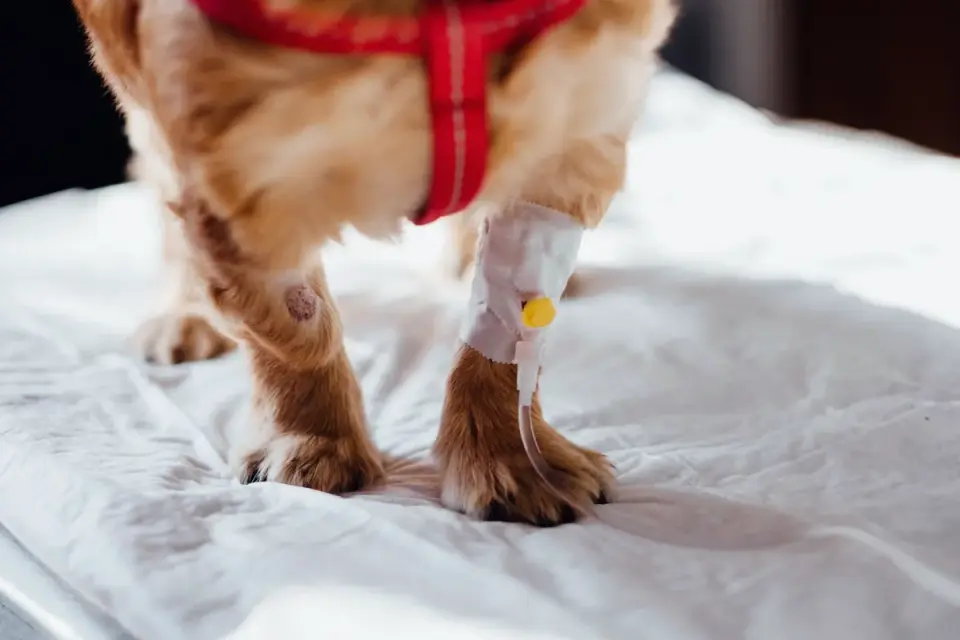
Seek an examination soon if withdrawal is paired with not eating for more than a day, labored breathing, repeated vomiting or diarrhea, collapse, crying in pain, sudden aggression, or marked confusion. For gradual change alone, use a threshold: no improvement after a week of consistent routine, or any steady decline, deserves a recheck.
Owners often worry that asking about mood wastes a visit. It does not. A clear timeline of what changed gives your veterinarian the material needed to separate normal variation from illness.
For everyday medication and supplement questions to bring to that visit, these explainers help: Can Dogs Take Quercetin With an Antihistamine? and CFU Count at Manufacture vs. at Expiration for Dog Probiotics.
A quieter dog is asking a question, not giving a diagnosis. Check health first, steady the day, measure small signs, and let the response guide the next step.
Frequently asked questions
How can I tell if my dog is depressed or sick?
Sickness and pain often cause the same signs owners call depression: low energy, poor appetite, and less play. If signs last more than 24-48 hours, include appetite loss, vomiting, diarrhea, limping, panting, or thirst change, or follow no clear routine change, schedule a veterinary exam first.
What is the first treatment for a withdrawn dog?
Start with a health check and a 1-2 week routine reset: consistent meals, walks, sleep, gentle play, and quiet rest. Track greeting, eating speed, walk willingness, and sleep. If there is no improvement or decline continues, return for follow-up.
Do dogs need antidepressants for depression?
Medication is sometimes used for diagnosed anxiety or behavior disorders after medical causes are ruled out, but it is not the first step for general withdrawal. Your veterinarian decides based on examination, history, and response to medical and behavioral care.
Sources
- Separation Anxiety in Dogs — AVMA