Dog Diarrhea: How Long Before Seeing a Vet?
A calm vet guide to how long to watch loose stool in dogs, and which signs mean call now.
For a bright adult dog, one day of diarrhea can be watched closely before you call.
On this page
Loose stool for one day in a bright, thirsty adult dog is common variation. The same sign with blood, vomiting, or flat energy is a reason to seek an examination.
Start with that fork, because it changes what you do next.
Check brightness before you count hours
Watch the dog, not only the stool. Offer water, note appetite, energy, vomiting, and effort to pass stool.
Call your veterinarian the same day if you see bloody diarrhea, black tarry stool, repeated vomiting, belly pain, fever, pale gums, collapse, no water intake, or a puppy under 16 weeks with loose stool plus lethargy or missed meals. Puppies lose fluid fast, and parasites, parvovirus, and foreign material progress quickly.
Guidance from VCA Hospitals frames diarrhea as a sign with many causes, from diet change to infection, and advises veterinary assessment when it persists or comes with systemic signs. The Merck Veterinary Manual makes the same distinction clinicians use: small-intestinal versus large-intestinal patterns, plus dehydration and cause-directed care.
Evelyn, in Albuquerque, watched this distinction play out with Bisou, her 9-year-old spayed Samoyed mix. Bisou had three soft stools in 24 hours after a new chew, but she drank, walked 1 mile, and asked for dinner. Evelyn logged frequency and called when the pattern held past day two.
What to do during a one-day watch
Use this sequence for an otherwise bright adult dog.
- Hold the new food, treat, table scrap, or chew.
- Keep fresh water down. Measure intake if you can.
- Feed the regular diet in small, bland portions only if your vet has advised that plan before.
- Log each stool: time, shape, mucus, blood, and urgency.
- Rest the gut from park runs and long play until stool firms.
Do not reach for leftover antibiotics, anti-diarrheals, or a fast without asking your clinic. The tempting shortcut misses the underlying question: is fluid loss continuing, and is another sign emerging?
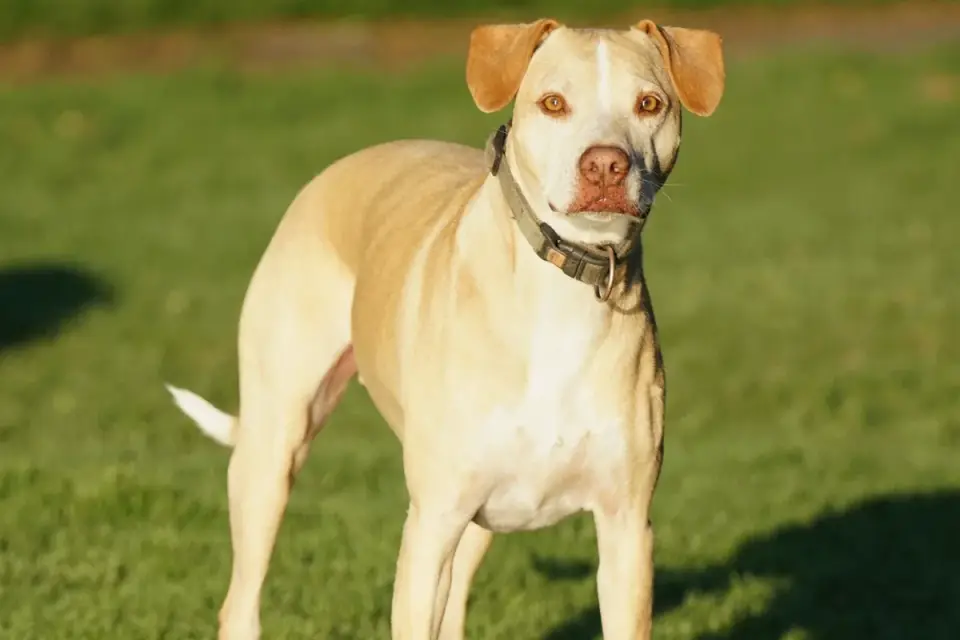
Hydration is the threshold that warrants an examination.
When the window shortens sharply
Shorten a one-day watch to hours when any of these appear:
- Puppy, senior dog with chronic disease, or dog on immune-suppressing drugs
- More than 2–3 watery stools in 6 hours, straining with little output, or accidents in a housetrained dog
- Vomiting more than once, drooling with retching, or a painful, bloated belly
- Lethargy, refusal of water for 8–12 hours, or signs of dehydration: dry gums, sunken eyes, poor skin recoil
- Blood, frank red or black stool, worms, or known toxin, trash, or foreign-object ingestion
Call now in those cases. Bring the log, diet label, treats, medications, and vaccine history.
What to tell the clinic
State duration, count, appetite, water, vomiting, energy, and exposures. Ask three questions: does this need an examination today, what sample should I bring, and what feeding and water plan should I follow until then?
That distinction — normal variation versus a threshold for examination — keeps a mild diet upset from becoming a delayed emergency.
Owners of older dogs sometimes weigh supplements alongside these sick-day calls, and it helps to keep the questions separate. For background on aging-dog decisions, see What Actually Strengthens a Senior Dog? A Vet’s Guide to Supplement Choices and Should You Start Longevity Supplements Before Your Dog Shows Signs of Aging?.
If stool firms by day two and energy, thirst, and appetite stay steady, resume the regular diet gradually and keep logging for one more day. If soft stool returns, worsens, or any red-flag sign appears, book the examination.
Frequently asked questions
Can I wait 24 hours if my adult dog has diarrhea but acts normal?
Many clinicians accept a one-day watch for a bright, hydrated adult with no blood, vomiting, or pain. Log stools, keep water available, remove the likely trigger, and call if it persists past 24 hours or any new sign appears.
When should a puppy with diarrhea see a vet sooner?
Same day if the puppy is under 16 weeks, lethargic, vomiting, refusing food or water, has bloody stool, or may have eaten a toxin or object. Puppies dehydrate faster than adults.
What information helps the vet most?
When it started, stool count and appearance, appetite and water intake, vomiting, energy, diet and treat changes, medications, vaccine status, and possible exposures.
Sources
- Diarrhea in Dogs — VCA Hospitals