Is Dog Probiotics Powder Better Than Chews?
A calm vet explains when powder helps with daily dosing, when chews or capsules fit better, and what matters more than format.
Dog probiotics powder works when daily dosing stays easy, not because powder itself heals the gut.
On this page
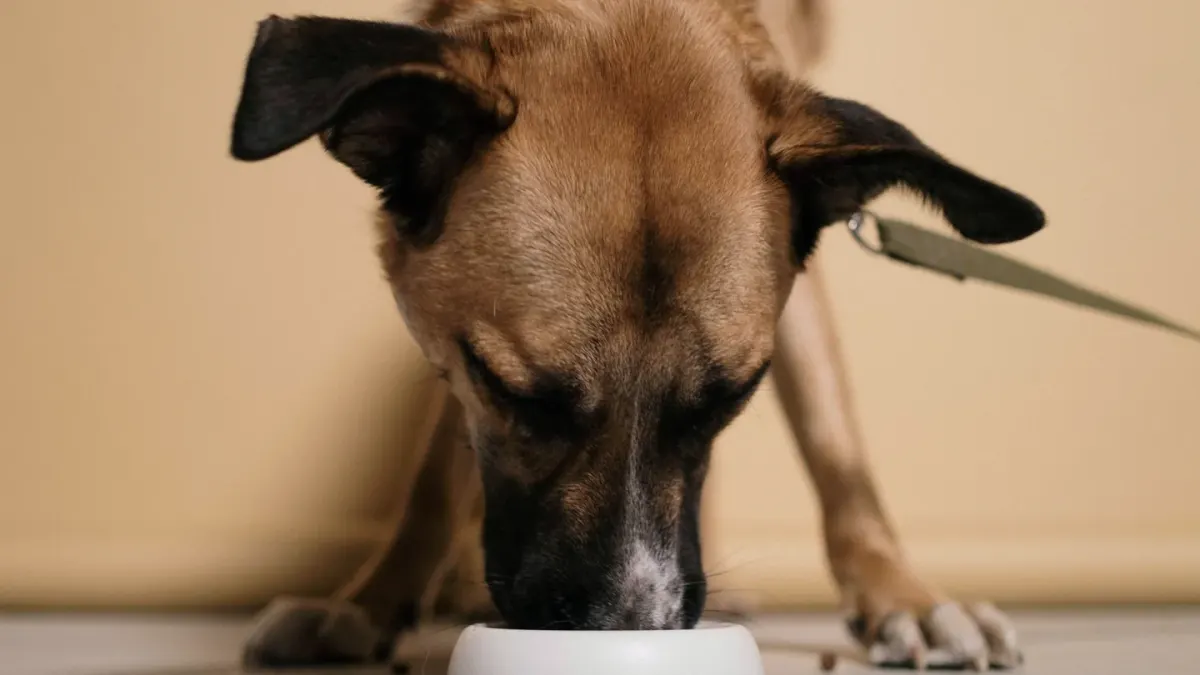
Linda did not set out to research supplement formats. Her 4-year-old spayed Great Dane, Dolce, had three weeks of soft afternoon stools, and Linda was weighing a 30-day powder jar against the chews Dolce already accepted as treats.
That fork is the right place to start, because most owners miss the same distinction. Powder, chews, and capsules can all carry live organisms, and the National Institutes of Health Office of Dietary Supplements explains that probiotic effects depend on strain, dose, and viability rather than delivery shape alone.
In practice, Vets often see the outcome turn on routine. If the supplement blends into a meal the dog finishes every day, intake stays steady. If it requires pilling, bargaining, or a separate treat the dog sometimes refuses, intake gaps appear.
The decision at the bowl
Powder suits dogs that eat meals predictably and dislike extra handling. It spreads across food, allows small dose adjustments, and avoids the flavoring and texture agents chews need for shape.
Chews suit selective eaters that check food for changes but still take a flavored bite from the hand. Capsules suit owners who want a measured count without residue on food, provided the dog swallows them without stress.
None of those conveniences changes gut biology by itself. Consistency does.
Why ease of use outweighs marketing
A probiotic only has a chance to work if live organisms reach the gut day after day. Heat, moisture, and long storage reduce live counts, which is why label handling and expiration dates deserve more attention than words like advanced or maximum strength.
The U.S. Food and Drug Administration regulates pet food labeling for truthfulness and sets the basic expectation that what is on the label should match what is in the package.
Powder exposes more surface area once opened, so an opened jar left near a warm stove or scooped with a wet spoon faces faster loss. Chews face a different trade: heat during manufacturing and chew binders can also affect stability. Capsules protect contents until swallowed, but many owners open them and sprinkle, which returns them to powder conditions.
The pattern is simple. Choose the form your household will store correctly and give without a struggle.

Where powder helps, and where it falls short
Powder helps when Dolce eats two measured meals and finishes within 20 minutes. It mixes in seconds, works for large-breed servings that would require three or four chews, and lets an owner pause during boarding without leaving pills behind.
Powder falls short for grazers, raw-fed dogs with carefully balanced portions, or dogs that reject altered texture. A light dusting may still be detected, and a refused bowl means both lost food and a lost dose.
A balanced gut microbiome supports overall immune function, but that support requires weeks of steady intake, not one perfect scoop.
When soft stool stops being normal variation
Some looseness after a diet change, a stressful boarding stay, or stolen table scraps often resolves in two to three days as meals stabilize.
An examination is warranted for blood in stool, repeated vomiting, weight loss, lethargy, straining without production, or diarrhea lasting beyond 48 hours in a puppy or senior, or beyond 72 hours in a healthy adult. A Great Dane losing 4 pounds during a digestive episode is not a supplement question.
Bring a timeline, current diet amounts, and the supplement label with strain names and guaranteed levels to that visit. Those details answer the underlying question faster than switching formats.
How to judge any label in one minute
Look for named strains rather than the word blend alone, a guaranteed live count through expiration rather than only at manufacture, clear feeding directions by weight, and storage instructions.
For owners comparing notes over time, it helps to understand CFU Count at Manufacture vs. at Expiration for Dog Probiotics and Guaranteed CFU Count Versus Actual Live CFU in Dog Probiotics. Those two distinctions explain more about potency than powder versus chew.
Powder is not better in principle. It is better when it makes correct, daily use more likely in your home.
Frequently asked questions
Is powder absorbed better than chews?
No published rule shows powder absorbs better. What matters is whether the product contains identified strains at a live level through expiration and whether your dog takes it daily.
Can I sprinkle a capsule or crush a chew instead of buying powder?
Sometimes, but check the label first. Once a sealed capsule is opened, it faces the same moisture and heat risks as powder and should be used as directed and stored correctly.
How long should I try one format before deciding?
If stools, appetite, and energy are otherwise steady, allow 2–4 weeks of consistent daily use, then reassess with your veterinarian if signs persist.
Sources
- Probiotics Fact Sheet for Health Professionals — National Institutes of Health Office of Dietary Supplements
- Pet Food — U.S. Food and Drug Administration