Why Is Your Dog Throwing Up After Boarding?
Calm vet guidance on why dogs vomit after boarding, how long to watch, and signs that mean a vet visit.
If your dog is throwing up after boarding, timing and other signs tell you whether to wait or call.
On this page
You expect excited zoomies at pickup, then dinner comes back up on the rug. That mismatch is what worries most owners, and it helps to name it plainly: a short bout of vomiting after boarding is often tied to stress, schedule changes, and food changes, while longer or worsening vomiting points toward something that needs an exam.
Jose picked up Nyx, his 3-year-old spayed female Maltipoo in San Diego, after three nights of boarding. She drank a full bowl of water in one go, ate fast, then vomited twice within 12 hours but stayed bright and wanted a walk. That pattern — a couple of episodes, then steady improvement once home — sits on one side of the line. Repeated vomiting into the next day, lethargy, or no interest in water sits on the other.
Why the first 24 hours look different
Boarding changes almost everything that keeps a stomach settled. Feeding times shift, treats differ, water tastes different, sleep is broken by barking, and excitement at reunion leads to gulping food and water. Any one of those can trigger vomiting in a sensitive dog.
Diet disruption is a common driver. Even when you pack your dog’s regular food, staff may add treats or a different topper, or your dog may skip a meal and then overeat. A sudden fast followed by a large meal is enough to cause vomiting, especially in small breeds.
Stress matters too. Cortisol and adrenaline slow normal gut motility for some dogs and speed it up for others. That is why one dog comes home and vomits once, while a kennel mate comes home with soft stool and no vomiting at all.
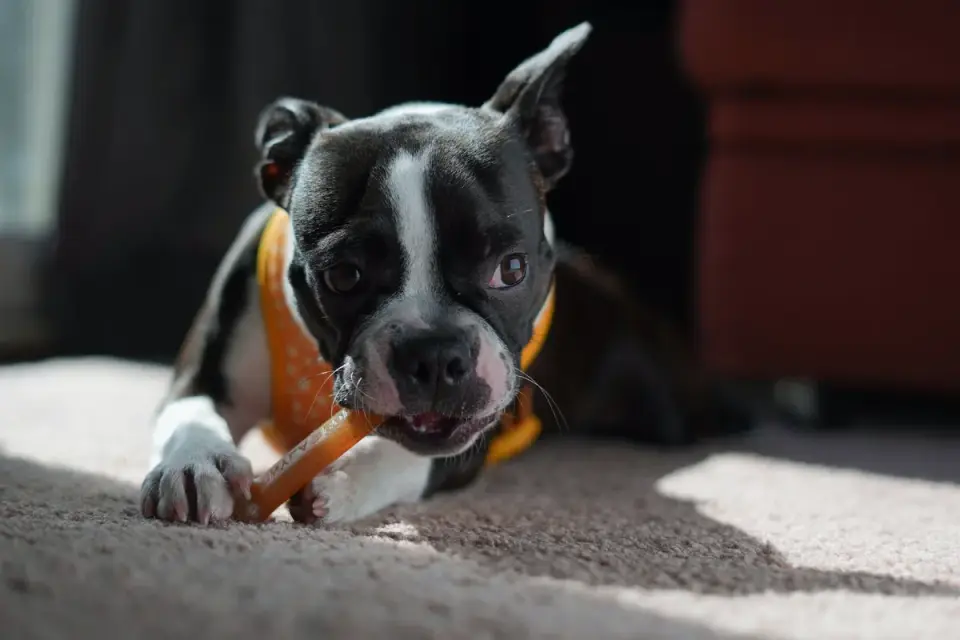
The tempting shortcut is to assume a supplement or bland meal has answered the question.
It hasn’t. Food can soothe, but it can’t tell you whether the vomiting was simple irritation or an early sign of infection, obstruction from a chewed toy, or a flare of an existing stomach issue. Watch the course first, then decide what to feed.
What to do tonight at home
If your dog vomited once or twice but is alert, responsive, and still interested in you, keep things quiet and simple. Offer small amounts of water, wait an hour, then offer about one-quarter of a normal meal of the regular diet. If that stays down for two to three hours, you can repeat a small portion.
Skip rich treats, dental chews, new toppers, and park visits for the evening. Note what you see: how many times your dog vomited, what it looked like, whether stool was normal, and whether water stayed down. Those four details change the advice your vet gives you.
Most mild cases settle within 12 to 24 hours once the dog is back on a familiar routine. That timeline is the decision fork.
When waiting stops and calling starts
Call your veterinarian promptly if vomiting continues beyond 24 hours, happens three or more times in a day, contains blood or looks like coffee grounds, or comes with lethargy, belly pain, repeated retching without bringing anything up, fever, diarrhea with blood, or refusal to drink. Puppies, seniors, and dogs under about 10 pounds dehydrate faster, so call sooner for them.
Boarding also means shared air and shared spaces. Dogs can pick up canine infectious respiratory disease, often called kennel cough, which usually causes coughing rather than vomiting, but gagging and swallowing mucus can look like vomiting to an owner. The Merck Veterinary Manual describes common causes and warning signs of vomiting in dogs, which helps separate a single upset-stomach episode from a pattern that needs care. If cough, nasal discharge, or a honking gag appears a few days after boarding, mention the boarding dates when you call.
For a plain-language checklist of what vomiting looks like and when it warrants attention, VCA Hospitals outlines causes ranging from dietary indiscretion to obstruction. That distinction matters after boarding, when owners understandably wonder if their dog caught something or simply ate too fast.
A calm plan for next time
You can’t remove all stress from boarding, but you can narrow the variables. Pack measured meals plus one extra, list foods and treats to avoid in writing, keep water and feeding instructions specific, and ask what your dog actually ate each day at pickup. For dogs that always vomit after boarding, ask your vet before the next stay whether a trial stay, a different feeding plan, or an exam makes sense.
Related questions owners often ask after a stay include Why a Dog Seems Disoriented Right After Waking Up and Can You Split a Longevity Chew in Half for a Small Dog?, both of which cover the same idea: separate expected recovery behavior from a sign that needs assessment.
If vomiting fades and appetite, energy, and stool return to normal by tomorrow, it was likely the disruption of boarding. If it holds on, worsens, or adds new signs, let an exam answer what home observation cannot.
Frequently asked questions
How long should vomiting last after boarding before I call the vet?
One or two episodes that stop within 12 to 24 hours, with normal energy and drinking, can often be watched at home. Call sooner if vomiting repeats, lasts beyond a day, includes blood, or comes with lethargy, belly pain, or refusal to drink.
Could vomiting after boarding mean kennel cough?
Kennel cough usually causes coughing and gagging rather than true vomiting, but swallowed mucus can look similar. Mention cough, nasal discharge, and boarding dates to your vet if those signs appear.
Should I feed a bland diet right away?
Offer small amounts of water first, then a small portion of the regular diet if vomiting pauses. If your dog keeps food down for a few hours, return to normal portions gradually and ask your vet about bland feeding if signs linger.
Sources
- Vomiting in Dogs — Merck Veterinary Manual
- Vomiting in Dogs — VCA Hospitals