How Contagious Is Giardia From Dogs to You?
A calm, evidence-aware look at Giardia spread between dogs and people, plus cleanup steps that lower household risk.
Giardia from your dog can be contagious to humans, but hygiene keeps household spread uncommon.
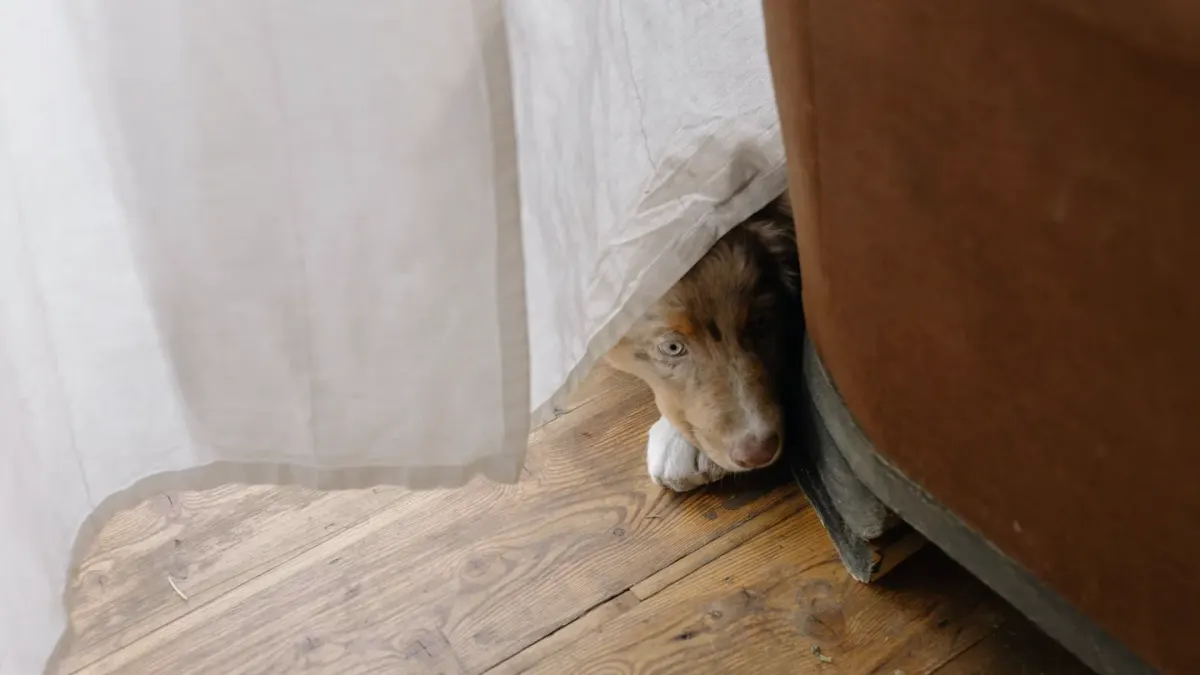
Kristy noticed the change on a Tuesday morning walk in Stamford — Gerry, her 5-year-old neutered male Portuguese Water Dog, passed soft, greasy-looking stool for the third day in a row, and she wondered if she should keep her kids away from him until it cleared.
That question captures the decision fork most owners face: treat every loose stool like a household emergency, or treat Giardia as background noise that never needs attention.
The more useful path sits between those poles. Soft stool is common variation in dogs, while persistent watery diarrhea, weight loss, or greasy stool that lasts more than 48 hours is a threshold that warrants an examination and a fecal test.
How dog-to-human spread actually works
Giardia is an intestinal parasite shed as hardy cysts in stool, and infection follows a fecal-oral route — hands, water, bedding, or a shared yard carry microscopic cysts to the mouth.
According to the CDC, people most often become infected after swallowing contaminated water, food, or material with stool on it, which includes close contact with an infected dog if hygiene slips.
Dogs and people can share some Giardia assemblages, but not every dog infection is the type that infects people. The Companion Animal Parasite Council notes that Giardia in dogs includes both host-adapted and potentially zoonotic genotypes, so a positive dog test does not automatically mean the household will become ill.
Good hygiene breaks the chain.

What raises risk, and what lowers it
Risk rises with fresh stool left in the yard, licked hands or faces, shared water bowls at the dog park, and damp kennel runs where cysts survive.
It falls quickly with prompt pickup, handwashing after handling stool, daily hot-water washing of food and water bowls, and bathing a soiled rear end so cysts do not linger in the coat.
The Merck Veterinary Manual describes Giardia cysts as immediately infectious in the environment and relatively resistant, which is why cleanup timing matters more than deep-cleaning once a week.
For context on how gut findings translate across species, see Dog Studies vs. Human Studies for Supplements: What Actually Transfers, and for everyday gut support questions to bring to your visit, see CFU Count at Manufacture vs. at Expiration for Dog Probiotics.
When testing and treatment matter
Vets often see owners try a bland diet for a week while intermittent diarrhea continues. The tempting shortcut is to keep adjusting food and hope the stool firms up.
That approach can miss the underlying question: is a parasite sustaining the signs? A fecal antigen test or microscopic exam answers it directly, and treatment plus retesting confirms clearance.
Call your veterinarian promptly if your dog has watery diarrhea for more than two days, blood in the stool, vomiting with lethargy, weight loss, or dehydration signs such as tacky gums and reduced skin elasticity. Healthy adult people often have mild or no symptoms, but contact your own clinician if you develop prolonged diarrhea, cramps, or nausea after exposure.
Ask whether other pets need testing, when to recheck stool after treatment, and how to manage a multi-dog yard until the recheck is negative.
If Gerry’s story sounds familiar, pick up stool the same day, wash hands well, keep the dog from licking faces, and schedule an exam if loose stool persists past 48 hours.
Frequently asked questions
Should we isolate a dog with Giardia from children?
You do not need to rehome or banish the dog, but limit face licks, supervise handwashing after petting and yard play, pick up stool promptly, and follow your veterinarian's treatment and recheck plan.
How long are Giardia cysts a concern in the yard?
Cysts can persist in cool, damp areas. Prompt removal of stool, reducing standing water, letting sunny areas dry, and cleaning bedding and bowls lower ongoing exposure while your dog is treated.
Sources
- About Giardia — CDC
- Giardia Guidelines — Companion Animal Parasite Council