7 Ways Dental Care Shapes Healthy Aging in Dogs
How daily dental habits, professional exams, and eating comfort support healthy aging in dogs.
Bad breath is common, but painful chewing and weight loss show how dental care connects to healthy aging.
On this page
Most owners miss this fork: is that smell just dog breath, or is your dog changing how he eats to avoid pain?
You will see the second one in small choices. A dog turns his head to chew on one side, drops kibble then eats it slowly off the floor, or walks away from a chew he used to love. That is common, and it is different from an emergency. It is still a reason to pay attention, because comfort while eating shapes activity, weight, and sleep over months.
The American Veterinary Medical Association explains that periodontal disease is common in dogs and that regular dental care, including professional examination, helps protect oral health. That matters for aging because an older dog does not have much reserve to spare. If chewing hurts, he eats less, keeps less muscle, and plays less.
Bad breath or a signal to track?
Some odor is normal variation, especially after meals or in a dog that loves fish-based food. Red gums that bleed, yellow-brown buildup along the gum line, pawing at the face, or a sudden preference for soft food is past that line.
Vets often see this pattern in middle-aged small breeds first. Rodney, in Murfreesboro, Tennessee, noticed his 9-year-old spayed female Rat Terrier, Petunia, taking twice as long to finish dinner over three weeks and leaving hard treats uneaten. The detail that changed the plan was not the smell. It was the shift from crunching to licking.
If you track one thing, track chewing behavior alongside weight and energy. That habit links directly to what I describe in How to Tell if Your Dog Is Aging Well, where steady eating and movement tell you more than any single birthday.
How a sore mouth ages the rest of the dog
Think in plain mechanics. Plaque hardens into tartar, tartar irritates gums, irritated gums recede and expose sensitive tooth structure. Chewing then sends a sharp signal with each bite.
Dogs adapt by swallowing larger pieces, eating less, or skipping meals. Less food means less protein for muscle and less fuel for walks. Less movement means stiffer joints and poorer sleep. You end up with a dog who looks old before his joints are the main problem.
Why a chew alone misses the point
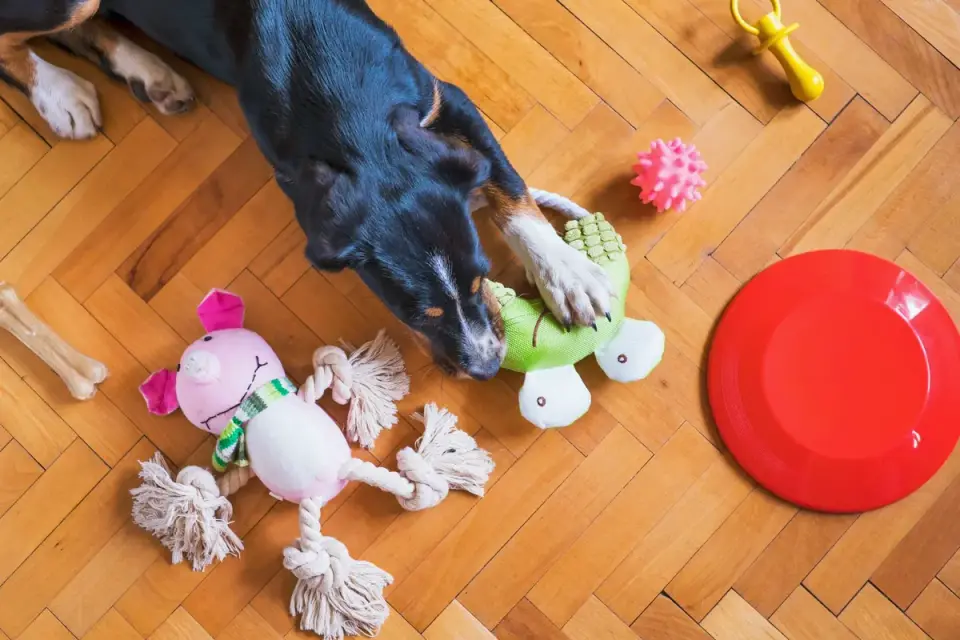
Here is the tempting shortcut: buy a dental chew and assume the mouth is handled.
Chews can help reduce fresh plaque for some dogs, and products recognized by the Veterinary Oral Health Council have met a defined standard for plaque or tartar control. But a chew cannot remove hardened tartar under the gum line, heal a fractured tooth, or show what sits beneath swollen gums.
That is why the shortcut misses the underlying question. You are not asking whether the breath smells better for a day. You are asking whether the teeth and gums allow pain-free eating for the next year.
Daily habits still count. Brushing with a dog-safe toothpaste, offering an accepted dental diet or chew, and providing fresh water support a cleaner mouth between exams. They do not replace an awake oral exam, and they cannot replace a professional cleaning when tartar, recession, or loose teeth are present.
What to watch month to month
Keep this simple enough to do. Once a week, lift the lips in good light and look for redness, swelling, broken teeth, or growths. Note drool with blood, face shyness, or dropping food.
Then connect the mouth to the home. A dog who hesitates on stairs may also hesitate to carry toys because his mouth hurts, not because his hips gave out in one week. Small changes like raising the bowl, softening food with warm water, and keeping walk routes short and flat help while you wait for an appointment, a point I return to in How to Create a Senior-Friendly Home for an Aging Dog.
A skeptical friend might ask: if my senior dog still eats, is dental care worth the stress of a vet visit? If he eats with comfort, keeps weight, and lets you look without flinching, routine preventive care on your vet’s schedule is enough.
When chewing changes warrant an exam
Book an exam when you see blood, loose teeth, facial swelling, a foul odor that persists after brushing, or weight loss tied to slower eating.
Bring notes: when the change started, which side he favors, what textures he accepts, and any medications or supplements. Ask what your vet sees above and below the gum line, whether imaging is advised, what pain control looks like before and after, and what to feed during recovery.
This threshold matters more for seniors and giant breeds with shorter expected lifespans, a theme explored in Nicotinamide Riboside for a Giant-Breed Dog Aging Faster Than Small Breeds. Comfort now preserves the muscle and habit that keep an older dog independent.
Where this leaves you
Separate normal variation from pain that changes behavior. Brush when you can, use accepted products for support, and let persistent chewing changes set the exam date. A comfortable mouth keeps an aging dog eating, moving, and resting well.
Sources
- Pet Dental Care — American Veterinary Medical Association
- Accepted Products — Veterinary Oral Health Council