How to Collect a Stool Sample From Your Dog
A calm, vet-reviewed guide to how much stool to collect, how to keep it fresh, and when to call your clinic.
To collect a stool sample from your dog, bring a fresh walnut-sized portion within 12 hours.
On this page
A soft stool on the morning walk leaves most owners with the same question: is this a passing change or the start of something that needs testing?
That distinction matters because a fecal examination can only answer what is present in the portion you bring. Fresh material shows motile organisms, parasite eggs, and blood or mucus far more reliably than a dried or rain-soaked pile. An old sample does not become useless, but it narrows what the laboratory can rule out.
The first fork: collect now or call first
If your dog is bright, eating, and had one loose stool, collecting a fresh sample and calling your clinic for instructions is reasonable. If there is repeated vomiting, lethargy, no appetite, black tarry stool, large amounts of fresh blood, or straining with no production, contact your veterinarian before waiting for another bowel movement.
In practice, vets often see owners wait through several days of waxing and waning signs because each individual stool looked almost normal. One formed stool does not cancel out weight loss, increased frequency, or mucus that keeps returning.
What the laboratory is actually examining
A routine fecal test is not one test. Most clinics combine a visual assessment with a flotation or centrifugation step that concentrates parasite eggs and cysts, plus a smear that looks for bacteria, white blood cells, and fat droplets.
Why freshness preserves the signal
Eggs can distort as stool dries, and single-celled organisms such as Giardia lose shape within hours outside the body. Warmth speeds bacterial overgrowth, which then masks the original balance. That is why laboratories prefer stool passed within the prior 6 to 12 hours, kept cool but not frozen.
As VCA Hospitals explains, fecal flotation and direct smears depend on intact structure, so timing and storage directly affect detection.
Why amount matters less than you think
Clinics usually need only 1 to 2 tablespoons, about the size of a walnut. A larger bag does not improve accuracy. A small, representative portion from the freshest defecation, including any mucus or streaks on the surface, gives more information than a large amount scooped from several old piles.
How to collect without changing the result
Use a clean, dry bag or a clean container with a lid. An inverted waste bag over your hand works well. Pick up the softest fresh portion from the top, avoiding grass, soil, mulch, and puddle water where possible. Close the bag, press out excess air, then place that bag inside a second bag.
Wear disposable gloves if available and wash hands after. Do not add water, wipes, litter, or preservative unless your clinic specifically asked for a transport tube. Refrigerate the double-bagged sample if you cannot deliver it within an hour. Do not freeze it.
Label the container with your dog’s name, your last name, collection date and time, and whether the stool was loose, mucoid, or bloody. Clinics sort dozens of look-alike samples each day.
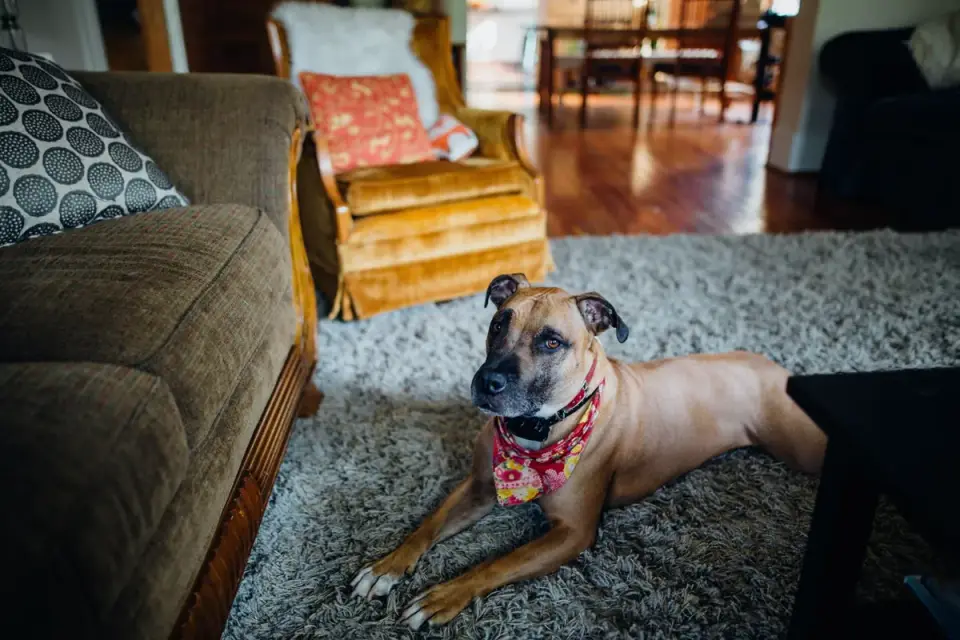
Raymond in Orange, California walks Bubu, a 3-year-old neutered male Pit Bull Terrier, before work. After two loose morning stools 14 hours apart, he saved a walnut-sized piece from the second stool in a double bag, noted the time on the bag, refrigerated it, and delivered it that afternoon. That timeline preserved the mucus coating his veterinarian wanted to see.
When appearance changes the question
Color variation alone is common. Diet change, chews, treats, and pigment in food alter shade from tan to dark brown. What shifts the decision toward examination is pattern.
Fresh red streaks on the surface often reflect lower-bowel irritation, while black, tarry, foul-smelling stool suggests digested blood from higher up. Both warrant a call, but they point the workup in different directions. The Companion Animal Parasite Council notes that intestinal parasites remain a common cause of intermittent soft stool, which is why repeated testing across separate days is sometimes recommended when suspicion stays high.
Samples collected during a diet trial or after starting a gut supplement need context. If you are discussing probiotics, keep notes on start date and stool response to share, and background reading on CFU counts at manufacture versus expiration and what transfers from human studies to dogs can help you ask clearer questions.
Delivery and what would change my advice
Bring the sample within 12 hours, ideally within 6, and keep it cool in transit. If your dog only goes in the yard overnight, a first-morning sample delivered when the clinic opens is acceptable. If more than 24 hours have passed at room temperature, collect again rather than submitting a dried specimen as if it were fresh.
My position stays narrow: a fresh, small, promptly delivered sample helps most dogs with new digestive signs. What would change it is evidence that delayed, pooled, or environmental samples detect common parasites just as well. Current laboratory methods still depend on intact morphology, so that evidence does not exist.
Bring the fresh portion, with time and appearance noted.
For related context, read Anti-Aging Pills for Dogs: What the Evidence Actually Supports.
For related context, read Can Dogs Take Quercetin With an Antihistamine?.
Frequently asked questions
How much stool does my vet need?
About 1 to 2 tablespoons, roughly walnut-sized, from the freshest bowel movement. Include surface mucus or streaks when present.
How long can a dog stool sample sit out?
Deliver within 6 to 12 hours when possible. Refrigerate in a double bag if delayed and do not freeze. After 24 hours at room temperature, collect a new sample.
Can I collect diarrhea?
Yes. Liquid stool is testable. Scoop with a clean container, avoid adding water or wipes, seal, label, and keep cool during transport.
Sources
- Intestinal Parasites — Companion Animal Parasite Council