How to Compare Small and Large Dog Lifespans
Small dogs often outlive large dogs by years. Learn typical ranges, why size matters, and when aging changes warrant a vet exam.
Small dogs often live years longer than large dogs, and weight predicts that gap better than breed alone.

Whitney adopted Hickory, a 6-year-old spayed French Bulldog mix in Naperville, Illinois, after her neighbor’s Great Dane died at 8 while Hickory’s same-age small-dog friends still trotted 2 miles without trouble. That contrast captures the decision owners face: should I read a slower pace as expected aging for the size in front of me, or as a change worth examining?
The pattern is consistent. Smaller adult weight is associated with longer median life expectancy, and larger adult weight is associated with shorter median life expectancy.
The American Kennel Club summarizes typical ranges that illustrate the gap, with small breeds often reaching early-to-mid teens while giant breeds often average closer to 8 to 10 years. Individual dogs vary widely, so use those ranges as context, not as a promise for one dog.
Why adult size predicts the gap better than breed alone
Breed charts help, but adult weight explains more. A 12-pound mix and a 120-pound purebred age on different clocks even with similar care, diet, and housing.
The proposed mechanism is growth rate and lifetime cancer risk. Large and giant breeds grow faster, carry more cells, and show higher rates of musculoskeletal disease, bloat, and certain cancers at younger ages. Small dogs tend to develop chronic conditions later, especially dental disease, tracheal and mitral valve changes, and kidney shifts that progress over years rather than months.
That does not mean small is fragile and large is doomed. It means the threshold for concern moves with size.
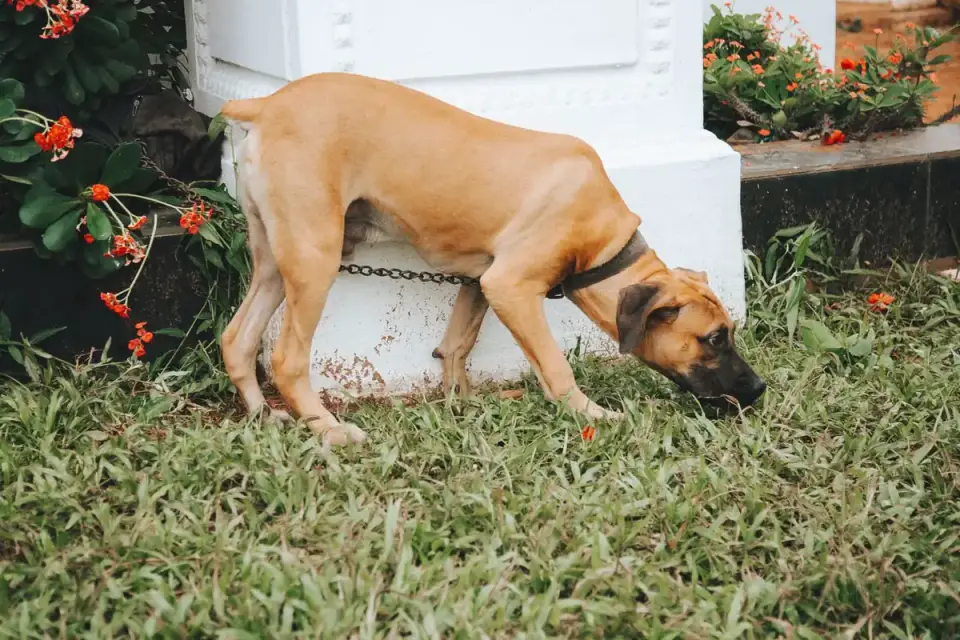
What the numbers look like across sizes
Researchers have quantified the trade-off between size and survival. In a widely cited analysis of mortality across breeds, PubMed hosts the record for work showing large dogs die younger, with size accounting for much of the variation in lifespan between breeds.
In practice, owners can use these working bands when planning preventive care:
- Small, under 20 pounds: often 12 to 16 years
- Medium, 20 to 50 pounds: often 10 to 14 years
- Large, 50 to 90 pounds: often 8 to 12 years
- Giant, over 90 pounds: often 7 to 10 years
Overlap is normal. A lean, well-conditioned large dog can outlive a small dog with uncontrolled dental pain or obesity.
Learn how weight shapes supplement choices in Nicotinamide Riboside for a Giant-Breed Dog Aging Faster Than Small Breeds and How Much Resveratrol Should You Give a Small, 15-lb Dog?.
When slower aging is normal and when it warrants an exam
I separate common variation from a reason to seek assessment.
Common variation includes a large 7-year-old who rests sooner on hills, takes longer to rise on cold mornings, then moves normally once warm. Also common is a small 11-year-old who sleeps more but still eats, drinks, eliminates, and greets with the same pattern.
Schedule an examination for a step change. New limping lasting more than 48 hours, labored breathing, fainting, abdominal swelling, rapid weight loss, drinking far more water, or withdrawal from walks point to disease rather than size.
For senior planning, this distinction changes the owner’s decision more than any supplement label.
If you are weighing general longevity support, start with evidence-aware background in Anti-Aging Pills for Dogs: What the Evidence Actually Supports.
A dog does not read the chart.
Track appetite, thirst, weight, mobility, cough, and energy in a short log for two weeks, then bring that record to your veterinarian and ask whether the pace fits the dog’s size and health history.
Frequently asked questions
How much longer do small dogs live than large dogs?
On average, several years. Small dogs often reach 12 to 16 years while giant breeds often average 7 to 10, with wide individual variation.
Does spay or neuter status change the size-lifespan pattern?
Reproductive status, weight, dental health, and disease screening influence individual risk, but the overall size pattern remains: smaller adult size is linked with longer median lifespan.
Sources
- How Long Do Dogs Live? — American Kennel Club
- The size-life span trade-off decomposed: why large dogs die young — PubMed