5 Ways Researchers Measure Biological Age in Dogs
Learn how researchers measure biological age in dogs, from DNA methylation clocks to frailty scores and blood work.
Researchers track biological age with methylation, function, and blood markers — not just birthdays.
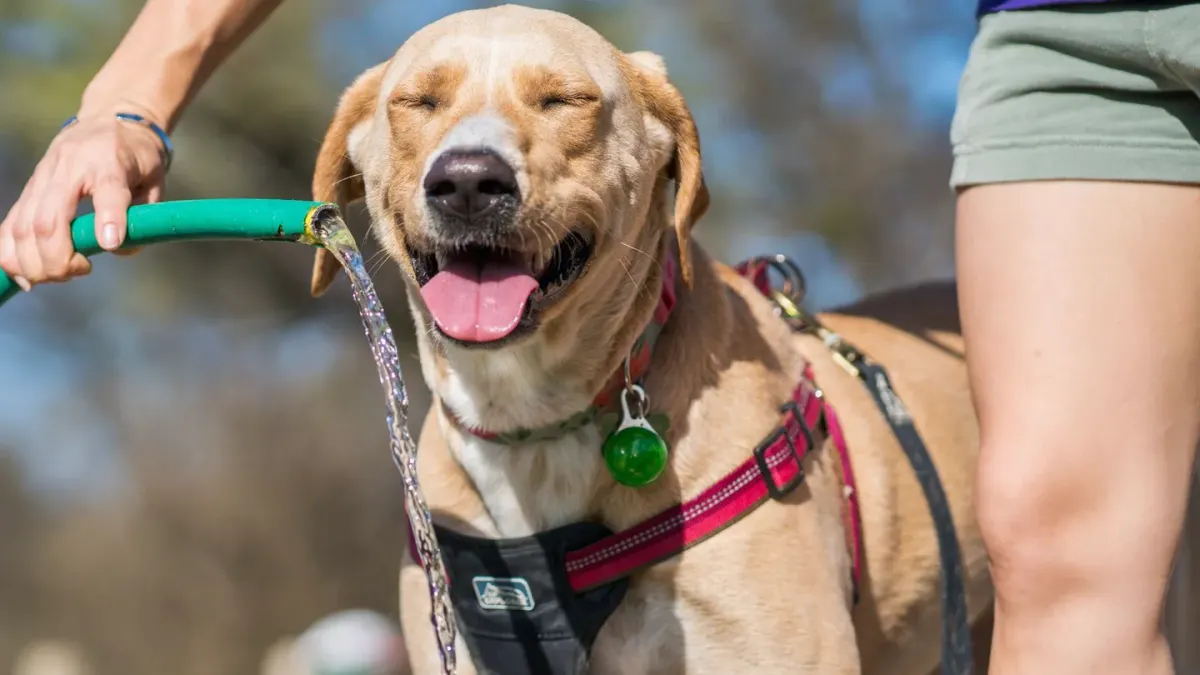
Your Greyhound can be three on paper and older — or younger — in how his joints, muscle, and recovery behave.
James in Concord, California, lived that gap with Marcel, his 3-year-old neutered male Greyhound. On walks around the block, Marcel kept pace for about two miles, then faded on the third, lagged on stairs, and needed a full day to bounce back after a long play session. James wondered whether to chalk it up to a lazy week or to ask for an exam.
That is the fork this topic always comes back to: calendar age tells you what to expect, biological age tells you how the dog in front of you is holding up.
1. Calendar age sets the expectation, not the answer
Breed size shifts the curve. Large and giant breeds tend to show age-related change earlier than small breeds, but two dogs born the same month can still move, recover, and think differently.
I treat the birthday as a starting point. What matters next is whether change is gradual and symmetric — a little slower to rise, a little longer to settle — or whether it crosses into weight loss, persistent lameness, confusion, or loss of appetite that lasts more than a day or two. The first pattern often reflects normal variation. The second warrants an examination.
2. DNA methylation clocks track aging at the chemical level
Researchers measure biological age in dogs most directly with epigenetic clocks, which read chemical tags called methyl groups on DNA. Methylation patterns shift in fairly predictable ways with age across mammals.
The best-known dog work is the quantitative methylation study published in Cell Systems, which compared Labrador Retrievers with humans and found conserved remodeling of the methylome that could translate dog age to human age. Later dog-clock studies extended the approach to multiple breeds and showed that methylation age often tracks with breed lifespan differences.
These clocks do not diagnose disease. They give researchers a molecular estimate to compare against calendar age and against health outcomes.

3. Frailty and function show what methylation cannot
A lab value cannot tell you if a dog hesitates at the curb. So aging studies also score what owners and veterinarians can observe: gait speed, stair ability, muscle condition, endurance, hearing, vision, and cognition.
Vets often see the same pattern James saw in Marcel — steady for most of an outing, then a clear drop-off. A short, written log helps separate a phase from a trend: distance before slowing, stairs attempted, time to recover, and any change over two to three weeks.
When decline is steady, or when a dog that used to manage a flight now avoids it, that threshold changes the plan toward an exam rather than watchful waiting.
4. Blood and body measures fill in the middle
Between molecules and movement sit routine clinical measures: body weight and muscle condition score, complete blood count and chemistry panel, thyroid testing when indicated, blood pressure, urinalysis, and, in research cohorts, inflammatory and metabolic markers.
No single marker equals biological age.
Patterns across visits carry more weight than one snapshot, which is why longitudinal programs such as the Dog Aging Project follow large numbers of companion dogs over time to link environment, genetics, and healthspan. If you want background on how dog data differ from human data, this explainer on clinical study on dogs versus clinical study on humans for supplements lays out what transfers and what does not.
5. What to bring to your veterinarian
Bring three things: the calendar facts, the functional change, and the timeline. Age, breed mix, weight, diet, exercise, plus exactly what changed and for how long.
Ask whether the change fits expected variation for size and age, whether pain, metabolic disease, or early cognitive change could explain it, and what recheck interval would confirm a trend. For cognitive signs in older dogs, it also helps to read about doggy dementia supplements before the visit so you can discuss what helps and when a supplement is not the answer.
The tempting shortcut is a single at-home age test marketed as a verdict. It misses the underlying question: is this dog comfortable, mobile, and engaged for his stage of life.
For Marcel, the useful next step was not a clock result. It was an exam to check gait, muscle symmetry, and pain response, with labs if the slowing persisted past a short, defined window.
Frequently asked questions
What is biological age in dogs?
It is an estimate of how a dog's cells, organs, and function are holding up compared with other dogs of the same calendar age and size.
Can a DNA test tell my dog's exact age?
Methylation clocks give a research estimate with a margin of error, not a birth certificate. Function, exam findings, and labs matter more for daily decisions.
When should slowing down prompt a vet visit?
Seek an exam for persistent lameness, rapid weight loss, loss of appetite beyond a day or two, new confusion, or a steady decline over two to three weeks.