How to Treat Heat Stroke in Dogs Before the Vet
A calm veterinary guide to safe home cooling for overheated dogs and why emergency care still matters.
Cool gently with lukewarm water and airflow, then drive to emergency care even if panting eases.
On this page
Heavy panting after play is common. Thick drool, unsteady steps, and a dog that stops responding to you point in a different direction, toward heat stroke that needs cooling and an examination.
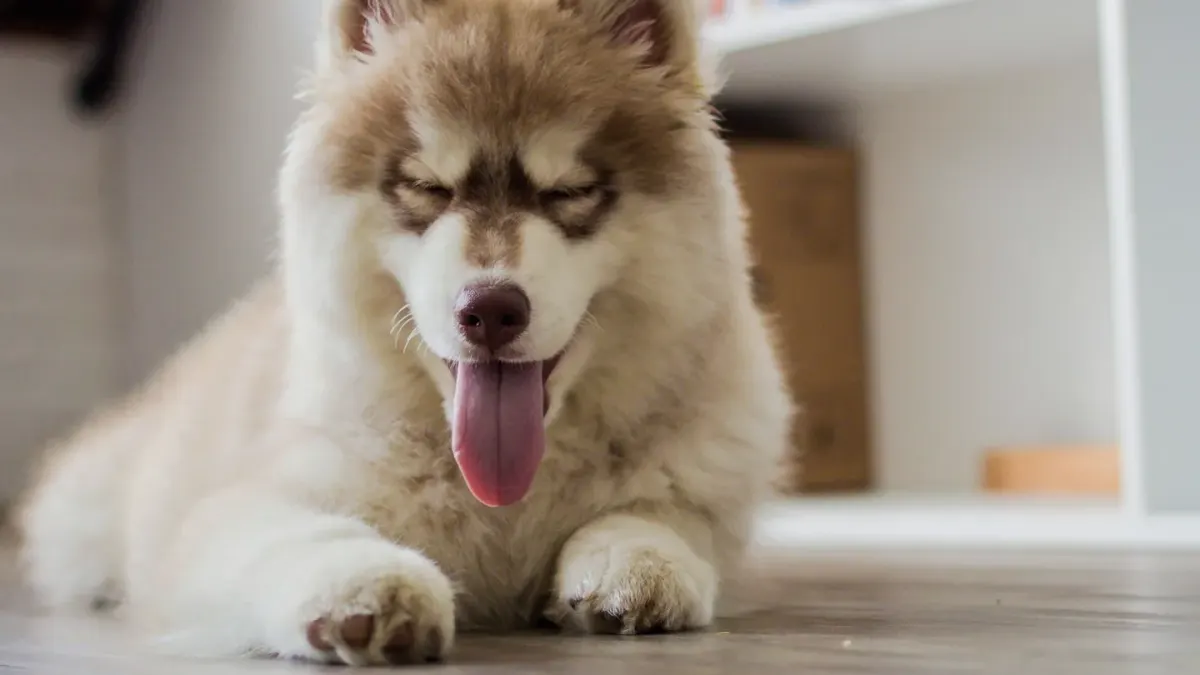
I think of Brenda from Pittsburgh and her 6-year-old Alaskan Malamute, Chuckie, panting hard after a short summer walk that felt too warm for his coat. That breed and body type loses heat slowly, and what looks like tiredness can shift quickly. The distinction that changes your decision is this: normal overheating eases with rest in shade, while heat stroke persists or worsens despite rest.
How to tell panting from heat stroke
Dogs cool mainly by panting and through limited heat loss from paw pads and nose. When air temperature approaches body temperature, that system falls behind.
Watch for a cluster rather than one sign: relentless panting with wide tongue and thick saliva, brick-red or pale gums, vomiting or diarrhea, stumbling, glazed eyes, or collapse. Rectal temperature above 104-105°F is often cited in clinical teaching as the concerning range, but do not delay cooling to get a perfect reading if your dog is clearly in distress.
If panting slows within five minutes in shade with water offered, monitor closely for the rest of the day. If signs hold steady or progress, treat it as an emergency.
What to do at home on the way to the vet
Home care means gentle cooling while you get to emergency care, not cooling instead of care.
- Move out of heat. Carry large or wobbly dogs to a shaded room, car with air conditioning, or cool tiled floor.
- Offer small sips of cool water. Do not force drinking, and do not offer ice water in large amounts.
- Apply lukewarm water to belly, armpits, groin, and paw pads. Drape a damp towel, then replace it often so trapped heat does not build underneath.
- Create airflow. A fan or car vent helps evaporation carry heat away.
- Stop active cooling once breathing eases, then keep the dog quiet for transport.
The tempting shortcut is ice, an ice bath, or very cold water. That approach constricts surface vessels and can trigger shivering, which generates more heat and makes core temperature harder to lower. The American Veterinary Medical Association advises cool — not ice-cold — water, shade, and prompt veterinary evaluation for overheated pets.
Call your emergency clinic while you cool. Note when signs started, what the dog was doing, and what you have done so far.
Why a dog that looks better still needs an exam
This is the part owners most often miss. A dog that pants more quietly after cooling may still develop delayed kidney injury, clotting problems, intestinal damage, or swelling in the airway hours later.
At the clinic, expect temperature monitoring, assessment of hydration and mentation, blood work to check organ function and clotting, and often intravenous fluids and oxygen monitoring. Early treatment gives your veterinarian more options. Dogs with flat-faced breeds, thick coats, senior age, obesity, heart disease, or limited prior conditioning carry higher risk, which is one reason a calm recovery plan at home matters — similar to planning How to Create a Senior-Friendly Home for an Aging Dog with cool resting spots and easy water access.
Keep the ride quiet and cool. Bring a damp towel and a bowl for water, keep the air moving, and avoid handling that adds stress. A food reward or chew is not the priority during this window; questions about extras can wait until recovery, as I explain in Is a Dog Supplement Chew the Same Thing as a Treat?
How to lower risk next time
Prevention is steadier than rescue. Walk in early morning or evening, carry water, test pavement with your hand, and rest in shade before panting becomes roaring. Never leave a dog in a parked car, even with windows cracked. For heavy-coated dogs like Chuckie, keep grooming on schedule, maintain lean weight, and shorten outings when humidity is high.
Seek examination promptly if vomiting, diarrhea, stumbling, collapse, or a temperature that will not come down occurs, or if your dog has a heart condition or breathing disorder. A short phone call to your veterinarian clarifies what is common variation after exercise and what crosses the threshold for emergency care.
Frequently asked questions
Can I treat heat stroke fully at home without a vet?
No. Gentle cooling with lukewarm water and airflow helps during transport, but delayed organ and clotting injury can appear after a dog looks better, so emergency evaluation is needed.
Should I use ice water or an ice bath to cool my dog fast?
No. Ice and very cold water can constrict vessels and cause shivering, which holds heat in. Use cool, not cold, water on the belly, groin, and paws with airflow.
What temperature means heat stroke in dogs?
Temperatures above about 104-105°F with signs like thick drool, vomiting, stumbling, or collapse suggest emergency overheating. Do not delay cooling and transport to get an exact number.
Sources
- Warm Weather Pet Safety — American Veterinary Medical Association