A Swollen Dog Neck Overnight Needs a Vet Visit
Overnight neck swelling in dogs can signal allergy, abscess, or lymph node disease. Learn the checks that warrant a prompt vet visit.
If your dog's neck has been swollen overnight, treat it as urgent until your vet proves otherwise.

A flat neck at bedtime and a puffy neck at breakfast feels sudden, yet the process behind it often started hours earlier. The distinction owners miss is this: normal variation is soft, symmetric, and painless, while an overnight change is new, focal, and active.
Check these five points now, then call your veterinarian:
- Breathing, drooling, or voice change — noisy breathing, gagging, pale gums, or trouble swallowing means emergency care now
- Face and muzzle — hives, lip or eyelid puffiness, or sudden itching points toward an allergic response
- Pain, heat, or rapid growth — a warm, tender, enlarging lump favors infection or abscess
- Location and symmetry — one-sided swelling under the jaw differs from swelling on both sides where lymph nodes sit
- Energy, appetite, and fever — lethargy, refusal to eat, vomiting, or a hot, dry nose suggests systemic illness
If any item on that list is present, do not watch and wait through the day.
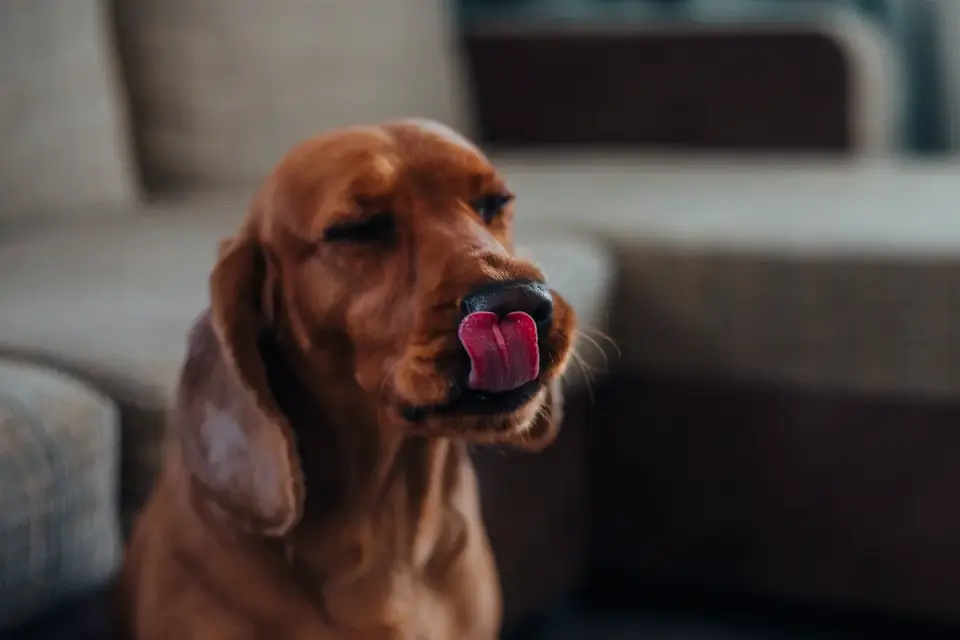
What overnight swelling often turns out to be
Allergic reactions can develop within minutes to hours after an insect sting, food trigger, or exposure to an irritant. Dogs may develop facial swelling, hives, itching, and in severe cases airway compromise. The Allergy - General in Dogs review from VCA Hospitals describes how generalized allergic signs progress and why airway or facial involvement needs rapid assessment.
Abscesses are another common cause of fast neck swelling. A puncture from play, a bite wound hidden under fur, or a migrating foreign body can seed bacteria deep in tissue. The area often feels warm, painful, and tight, and it may enlarge over 12 to 24 hours. The Abscesses in Dogs guide from VCA Hospitals outlines how bite wounds and penetrating injuries form pockets of infection that require drainage and veterinary care rather than home compresses alone.
Other causes sit deeper. Enlarged mandibular or prescapular lymph nodes, salivary gland leakage, a hematoma after a collar pull, or a foreign body lodged in the throat can all present as neck fullness. Vets often see dogs where the owner reports swelling that appeared overnight, but palpation shows one firm node on one side and a smaller node on the other, which shifts the question from allergy to glandular disease.
Nicole’s situation shows why location matters. Her 10-year-old neutered male Basenji mix Sancho, living in Pomona, California, woke with a golf-ball fullness under the left jaw and still ate breakfast. The choice she weighed was whether to monitor for 48 hours. Because the swelling was one-sided, firm, and new within about 10 hours, the safer decision was same-day examination to separate an abscess from a lymph node problem.
Why waiting can miss the question
Swelling is a sign, not a diagnosis.
An allergic response can improve and then rebound. An abscess can look stable on the surface while pressure builds underneath. Enlarged lymph nodes do not resolve with antihistamines, cold packs, or massage. That is why the tempting shortcut — give a human antihistamine or a calming supplement and see — can miss the underlying question.
This also applies to supplements owners already have at home. Products marketed for stress or longevity do not drain infection or identify glandular disease. If you are wondering about interactions, read Can Dogs Take Quercetin With an Antihistamine? before giving anything, and use How Much Quercetin Should I Give a 25-lb Dog? only as background for a vet discussion, not as a reason to delay care.
What to do before the visit
Keep the collar loose, avoid pressing or needling the area, and take a photo with a coin for scale. Note when you last saw the neck look normal, whether appetite, water intake, breathing, bark, and stool stayed normal, and any possible sting, fight, new food, chew, or yard exposure in the prior 24 hours. Bring vaccine history, medication and supplement bottles, and temperature if you can take it safely.
Call promptly if breathing is noisy, the tongue or gums look pale or blue, drooling prevents swallowing, the swelling doubles quickly, or your dog becomes lethargic or painful when opening the mouth. For a small, soft, symmetric fullness with normal breathing and energy, same-day primary care is still the right threshold.
A neck that swells overnight deserves hands-on examination. Normal variation does not appear that fast.
Frequently asked questions
Can a dog's neck swell overnight from an insect sting?
Yes. Stings around the head and neck can cause rapid facial or neck puffiness, hives, and itching. Any trouble breathing, vomiting, or collapse needs emergency care.
Should I give an antihistamine at home first?
Do not dose on your own. Call your veterinarian first, because the wrong dose can mask signs without treating infection, a foreign body, or lymph node disease.
What will the vet check for a swollen neck?
Expect palpation of lymph nodes and salivary glands, oral exam, temperature, and often fine-needle sampling or imaging to separate infection from glandular causes.
Sources
- Allergy - General in Dogs — VCA Hospitals
- Abscesses in Dogs — VCA Hospitals