Senior Dog Stopped Eating: When to Call the Vet?
A calm vet explainer on why appetite loss in older dogs needs prompt attention, common causes, and what to track before the exam.
A skipped meal at eleven rarely means stubbornness, and waiting it out can hide pain, nausea, or dental trouble.
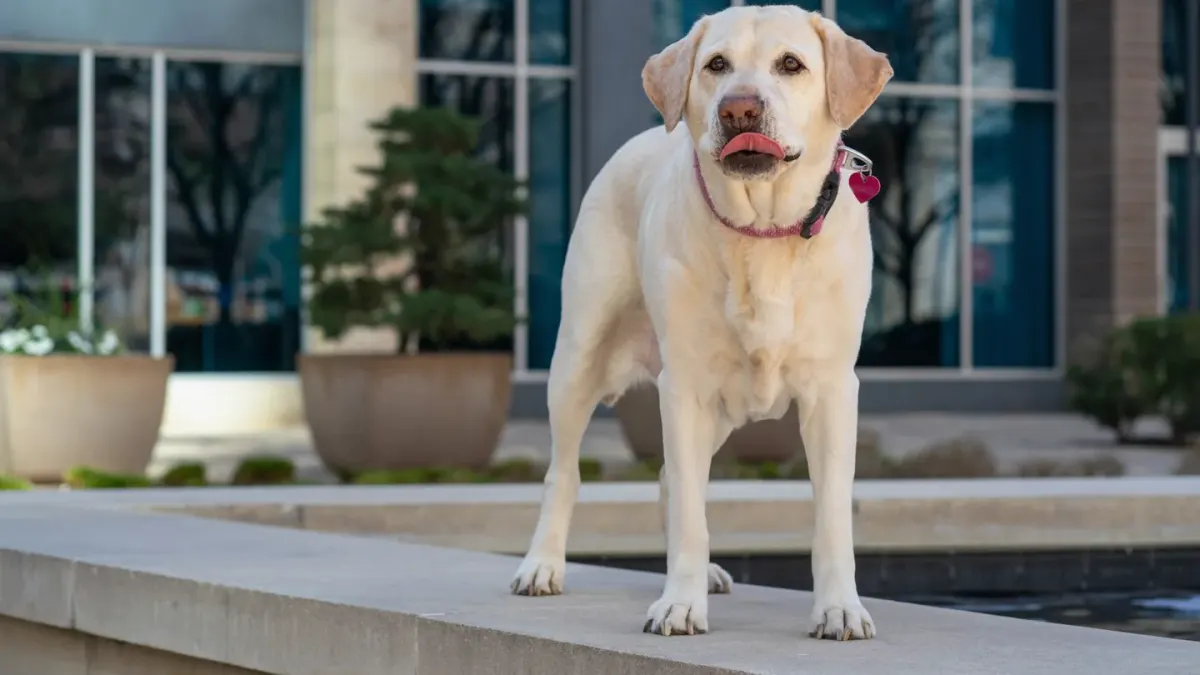
Allison noticed it on a Tuesday evening in Tallahassee. Winky, her 11-year-old spayed female Brittany, sniffed dinner, walked to her bed, and lay down. The next morning the bowl was still full, but the water level had dropped a little.
That pause — sniff, turn away, lie down — is the distinction owners most often miss. A senior dog skipping one meal after stress, heat, or a late treat can fall within normal variation. A senior dog who stops eating for a full day, eats markedly less for two days, or stops eating plus drinks less, vomits, loses weight, or seems painful has crossed a threshold that warrants an examination.
Which pattern are you seeing: skipped meal or stopped eating?
Vets often see both patterns in the same week. One dog misses breakfast, then eats normally by evening. Another dog picks at food for three days, and by the time bloodwork is drawn, dehydration and weight loss have already set in.
To tell them apart, watch the full 24 to 48 hours. Note how much was offered versus eaten, whether treats or soft food still interest her, water intake, stool, vomiting, drooling, bad breath, pawing at the mouth, limping, panting, or hiding. According to VCA Hospitals, appetite loss in dogs described as anorexia can range from reduced intake to complete refusal, and persistent change points toward an underlying medical reason rather than preference.
The tempting shortcut is to switch foods, warm the food, or add toppers until something works. Those steps can help a dog eat for a night, but they can miss the underlying question: why did hunger drop? Pain from arthritis or dental disease, nausea from kidney or liver change, infection, constipation, cognitive change, or a medication side effect all reduce appetite in similar ways.
Why older dogs lose appetite more easily
Aging changes the margin for missed meals. Older dogs carry less reserve, dehydrate faster, and often take medications that affect the gut. Sore mouths make chewing kibble uncomfortable. Reduced smell makes food less appealing. Stiff necks and shoulders make bending to a low bowl painful.
That is one reason the American Veterinary Medical Association frames senior care around closer observation and earlier check-ins. A small shift — eating half portions for two evenings, dropping a pound over a month — matters more at 11 than it did at 4.
If you live with an older dog, small comfort changes help while you arrange care. Raise food and water to elbow height, offer softened food in small, frequent meals, keep the feeding spot quiet and non-slip, and track intake in cups or grams rather than by eye. The guide to How to Create a Senior-Friendly Home for an Aging Dog walks through those adjustments, and shifts in thirst alongside appetite are worth logging too, as described in Why a Senior Dog Drinks More Water Than Usual.
What to do in the next day or two
For a senior dog who has stopped eating, I lean toward examination within a day or two, sooner if she refuses water, vomits repeatedly, has diarrhea with lethargy, breathes hard, collapses, shows belly pain, or cannot swallow.
Bring three things to that visit: a timeline of when eating changed and by how much, a list of all food, treats, medications, and supplements with doses, and notes on water, urination, stool, activity, and weight. Do not start a new supplement, fast her to reset appetite, or offer cooked bones, rich table scraps, or anyone else’s prescription appetite drug while you wait.
At the clinic, expect a mouth and body exam, weight check, and often bloodwork and urinalysis, sometimes with blood pressure or imaging depending on signs. The goal is not to force eating. The goal is to find whether mouth pain, nausea, dehydration, fever, abdominal discomfort, or another systemic change removed the drive to eat, then treat that cause directly.
What if she is still bright, drinking, and begging for treats but refusing kibble? That softer pattern still deserves a call within 48 hours, because dental pain and early systemic illness often look like pickiness first. How long would you want her to go on half rations before you had an answer?
Frequently asked questions
How long can a senior dog go without eating before seeing a vet?
Call within 24 hours of complete refusal or within 48 hours of eating less than half of normal, and sooner for vomiting, lethargy, pain, dehydration, or refusal to drink.
Should I switch foods if my older dog stops eating?
A short-term switch to soft, warmed, bland food can help you test interest, but do not cycle through multiple foods for days instead of getting an exam to look for pain, nausea, or dental disease.
Sources
- Anorexia in Dogs — VCA Hospitals
- Senior Pets — American Veterinary Medical Association