Repeated Vomiting in Puppies Can Signal Parvo Risk
Learn how parvo vomiting looks in dogs, how it differs from mild upset, and when repeated vomiting with lethargy needs emergency care.
Repeated vomiting with lethargy in an unvaccinated puppy needs same-day veterinary care.
On this page
Steve watched Dante turn away from breakfast in West Covina, vomit twice before noon, then lie flat instead of following him to the door. One episode might have passed as an empty stomach. The repeat, paired with that sudden loss of energy, changed the question from what did he eat to whether he needed an examination that day.
That distinction matters because canine parvovirus rarely announces itself with a single sign. Vomiting is often early and persistent, then lethargy, loss of appetite, and diarrhea follow within a day or two. In unvaccinated puppies under six months, that sequence should be treated as urgent until proven otherwise.
Is this one vomit or a pattern that needs care
A single vomit with normal energy, normal stool, and a quick return to food and play often reflects dietary indiscretion, eating too fast, or mild motion sickness. Owners can reasonably watch for a few hours, withhold food briefly, and offer small amounts of water.
The threshold shifts when vomiting repeats. More than two episodes in 12 hours, vomit that returns after water, or vomiting paired with lethargy, refusal of food, abdominal pain, or diarrhea warrants an examination. Dehydration develops quickly in small puppies, and waiting to see if a third episode happens can cost useful time.
In practice, vets often see owners hope a quiet puppy is simply tired. With parvo, that quietness is information.
What parvo vomiting tends to look like
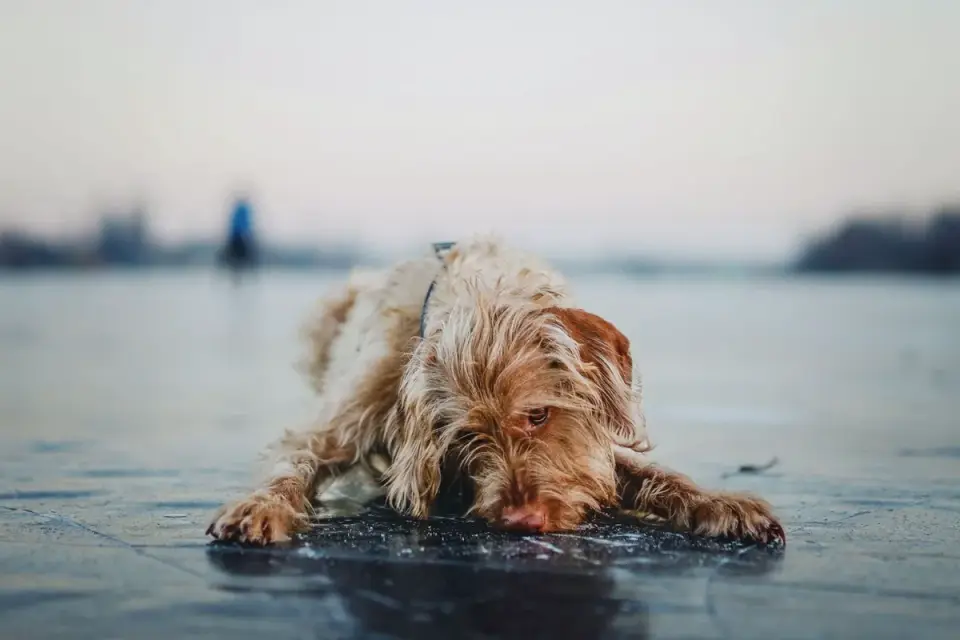
Parvo vomiting is typically repeated rather than isolated. It may start as foamy or yellow bile, then include food or liquid even after the stomach should be empty. Owners often report that the dog cannot keep water down and becomes progressively less responsive between episodes.
That pattern reflects infection of rapidly dividing intestinal cells, which impairs absorption and drives fluid loss from both ends. The Merck Veterinary Manual describes canine parvovirus enteritis as severe vomiting, bloody diarrhea, lethargy, and rapid dehydration, particularly in unvaccinated puppies.
Fever may be present early, followed by a drop in temperature as illness progresses. That trajectory is different from a dog that vomits once, begs for dinner, and resumes normal behavior.
Why vaccination history and age reset the timeline
Age and vaccine status determine how fast an owner should act. Puppies between six weeks and six months with incomplete vaccination carry the highest risk, especially after exposure at parks, shelters, pet stores, or through contaminated shoes, bowls, or hands.
The Cornell Baker Institute explains that parvovirus is highly contagious, survives in the environment for months, and requires targeted disinfection. A puppy does not need direct contact with a sick dog to be exposed.
This is where the tempting shortcut fails. Assuming a home-kept puppy is protected, or that one prior vaccine is enough, can miss the underlying question of immunity. The AAHA Canine Vaccination Guidelines recommend a series of core parvovirus vaccines through at least 16 weeks because maternal antibodies can block early doses.
An unvaccinated or incompletely vaccinated puppy with repeated vomiting and lethargy should be evaluated the same day.
Repeated vomiting plus lethargy is the emergency signal.
What to do before and during the visit
Do not try to manage suspected parvo at home with over-the-counter anti-nausea drugs, forced feeding, or repeated water syringes if the dog cannot keep fluids down. Note the count and timing of vomits, whether diarrhea has started, last vaccine date, and any possible exposures. Bring that list.
At the clinic, expect a fecal antigen test, blood work to assess white cells and hydration, and discussion of hospitalization with intravenous fluids, anti-nausea support, antibiotics for secondary bacterial infection, and nutritional support. Early supportive care changes outcomes dramatically because it interrupts dehydration and sepsis while the immune system responds.
For context on how supplement evidence is weighed differently from infectious-disease care, see Dog Studies vs. Human Studies for Supplements: What Actually Transfers and CFU Count at Manufacture vs. at Expiration for Dog Probiotics.
If your puppy is unvaccinated, vomits more than once, and goes flat or refuses food, call your veterinarian or an emergency clinic now and describe the pattern exactly. Say how many vomits, over how many hours, and how energy changed.
Sources
- Canine Parvovirus Research Overview — Cornell Baker Institute
- 2022 AAHA Canine Vaccination Guidelines — AAHA