How to Help a Dog That Panics During Thunderstorms
Learn what to do when your dog panics during thunderstorms, how to tell fear from danger signs, and what to ask your vet.
When your dog panics during thunderstorms, safe shelter and steady routine matter more than any quick fix.
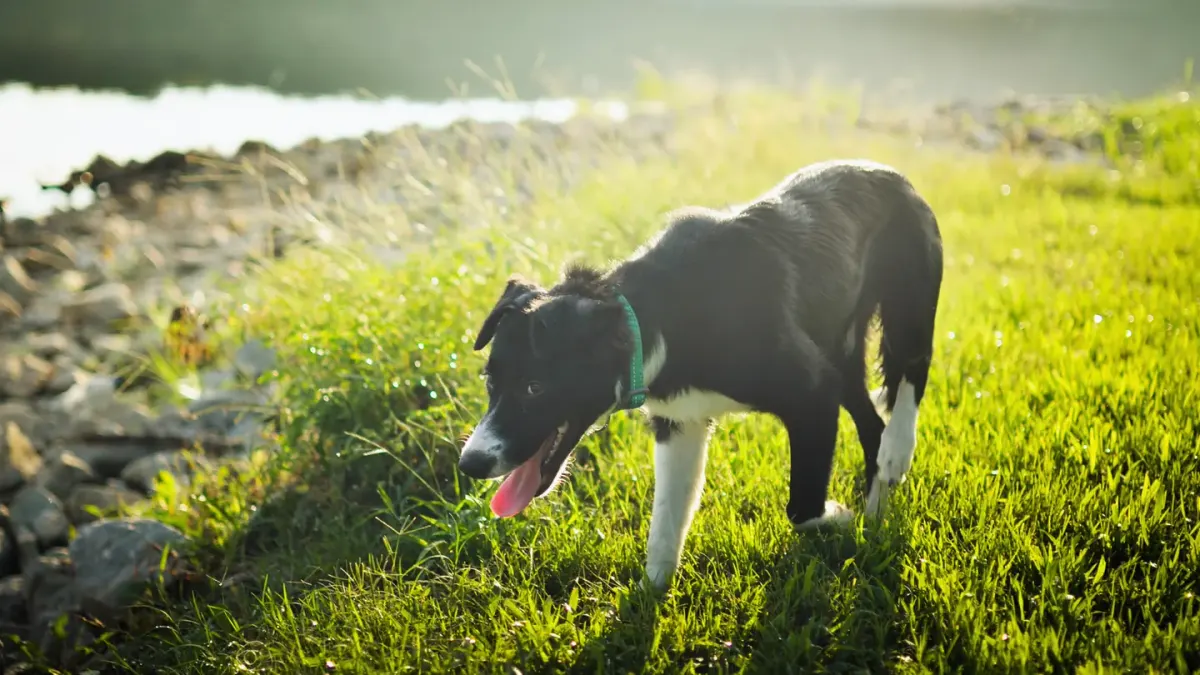
Toni knew the forecast before she heard the first rumble, because Clancy, her 9-year-old neutered male Papillon in Cambridge, Massachusetts, had already wedged himself behind the toilet and started panting hard enough to shake. The choice she faced was the one most owners face in that moment: drag him out to comfort him, or leave him alone and hope the storm passes in its usual 40 minutes.
Panic during storms is common, and it is different from simple dislike of noise. Trembling, pacing, drooling, trying to escape, vocalizing, or hiding for the duration of the storm point toward fear-based distress rather than ordinary startle that resolves in a minute or two. The Merck Veterinary Manual describes how behavior problems in dogs often involve fear responses that persist beyond the trigger, which is why duration and recovery matter more than any single bark.
Start with safety, then with stillness
The tempting shortcut is to fix the feeling fast with more reassurance, a new wrap, or a sedating chew from the cabinet.
That shortcut can miss the underlying question, which is whether the dog is safe and able to settle without hurting himself. During thunder, close windows and blinds, muffle sound with steady background noise, give access to a small interior room or covered crate with the door open, and remove objects he could knock over or chew through in an escape attempt. Stay nearby and calm, speak in a low, even tone if you speak at all, and let Clancy choose the hiding spot if it is safe.
Do not punish panting, pacing, or accidents. Do not force him onto a bed, into your lap, or outside to urinate while lightning is close.

What helps most dogs ride out the noise
Once the space is safe, routine does more work than novelty. A predictable pattern — same room, same mat, same chew, same quiet company — gives the nervous system fewer new decisions to process. Vets often see less pacing when owners keep lights low, keep people movement slow, and avoid coming and going from the front door during the loudest 20 to 30 minutes.
Practice outside storm season matters more than anything tried mid-storm. Short, calm sessions pairing the safe room with meals, rest, and gentle handling can build a learned association over weeks. For dogs with prior storm fear, owners can also ask their veterinarian about short-term behavioral plans, desensitization structure, and whether referral to a behavior professional fits.
Supplements marketed for calm are often part of this conversation, and the language around them needs care. L-theanine is an amino acid found in tea that has been studied for its calming properties. Chamomile and Valerian Root have been used in traditional herbal care to support relaxation.
Human research does not transfer directly to dogs, a point explained further in Dog Studies vs. Human Studies for Supplements: What Actually Transfers. As one example of why species and design matter, described in Nutrients, “This was a single-blinded, 12-week randomized controlled trial, and 30 participants (66 ± 3 years) were randomly assigned to consume 100 mg of 5-HTP daily or not consume it.” That design tells us about those adults under those conditions, not about a Papillon during thunder.
When hiding is normal and when it is not
Many dogs hide and then eat, drink, and play normally once the sky clears. That quick rebound is reassuring.
Seek an examination promptly if panic includes escape that causes injury, breaking teeth or nails, prolonged drooling or vomiting, collapse, disorientation that lasts hours after the storm, or fear that now spreads to rain, wind, or nighttime出去. Senior dogs deserve particular attention, because hearing loss, cognitive change, and pain can alter how fear looks. Related context on age-related change is covered in Doggy Dementia Supplements: What Actually Helps, and When a Supplement Isn’t the Answer and CFU Count at Manufacture vs. at Expiration for Dog Probiotics, which both show why label details and life stage change the questions to bring to the clinic.
Bring notes: what time signs started relative to thunder, what the dog did, how long recovery took, and what you tried. A short phone video of the behavior, taken safely, often answers more than a verbal description.
Toni stopped pulling Clancy from behind the toilet and instead set a folded blanket nearby, left the bathroom door ajar, and sat on the hallway floor reading while the rain hit. He still trembled, but he stayed in one place and fell asleep within an hour after the last thunder.
For the next storm, keep the plan small: safe room, steady company, no punishment, and a written log to share with your veterinarian if recovery slows or panic spreads.
Sources
- 5-HTP and stress in a 12-week trial in older adults — Nutrients
- Behavior Problems in Dogs — Merck Veterinary Manual